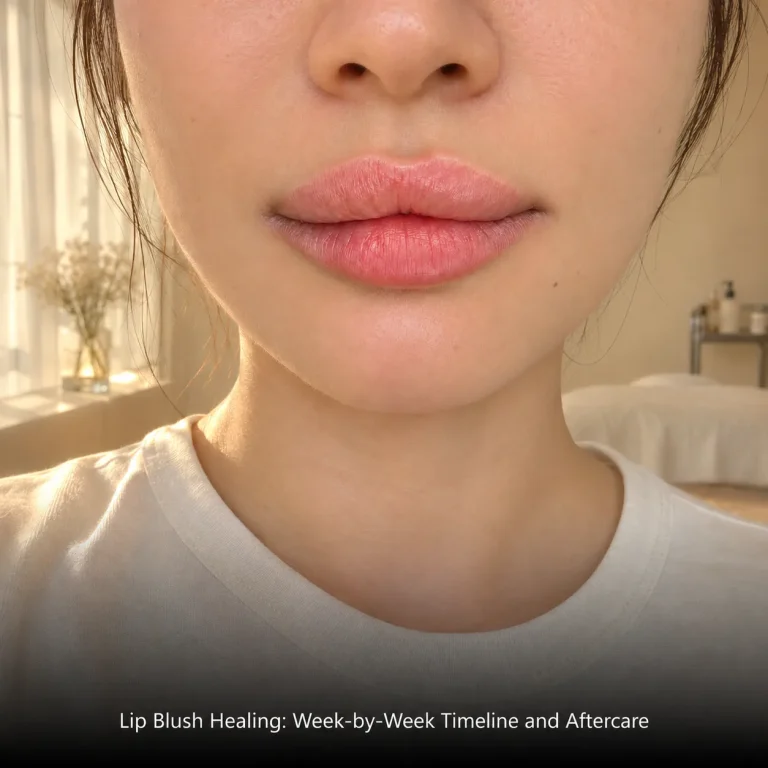
Lip blush healing takes about four to six weeks, and your lips look very different at each stage along the way. Artists and health sources agree on the general pattern: strong colour first, then dryness and flaking, then a faded stage, then colour that returns and settles. What nobody can tell you in advance is exactly how your own lips will look on any given day, because your skin, the sun, your habits and your artist’s technique all shift the timeline. That uncertainty is what sends people searching late at night to ask whether their lips are okay.
So this guide gives you a realistic picture of each stage, the signs that are normal, the signs that aren’t and a way to plan around events in your diary. PhiBeauty is a beauty salon and cosmetic tattoo studio in South Yarra, not a medical clinic, and everything here is general information rather than medical advice.
Quick answer: how long does lip blush healing take?
Lip blush healing usually takes about four to six weeks. Your lips look darkest in the first few days, flake from around day four, look faded and patchy in the second week, then the colour returns and settles into a softer shade. Your artist will confirm when to book your touch-up.
Lip blush healing at a glance
| Stage | Typical timing | What you may notice |
|---|---|---|
| Fresh | Day 0 to 1 | Lips look darker, bolder and fuller, and feel tender |
| Dry and tight | Days 2 to 3 | Tightness and dryness, with the colour still strong |
| Flaking | Days 4 to 7 | Thin flakes lift and the colour looks uneven |
| Faded (“ghost”) stage | Days 8 to 14 | Lips look lighter and patchy |
| Colour returns | Days 15 to 28 | Colour gradually deepens and evens out |
| Final colour | Weeks 4 to 6 | A softer, settled shade |
| Touch-up review | From about week 6 | Your artist checks the result and confirms any touch-up |
These timings are a guide only. Your skin, your lifestyle and your artist’s technique all affect how quickly you move through each stage.
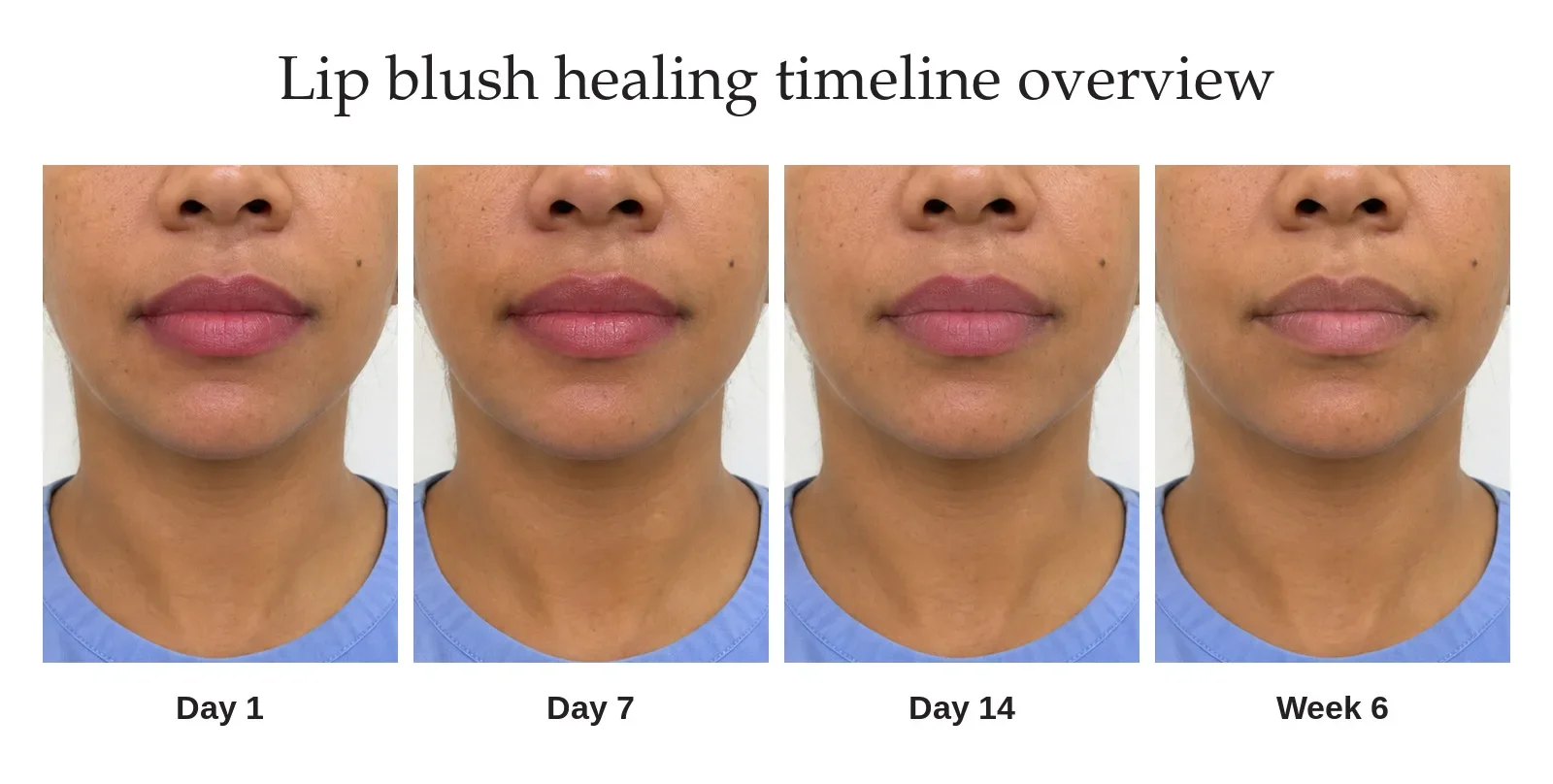
Lip blush healing timeline week by week
Lip blush healing timeline: week by week
A lip blush is a cosmetic tattoo, so the lips go through the same basic process as any tattooed skin. The difference is that lips are soft, always moving and always on show, so every change is easy to see. Knowing what comes next makes the awkward middle stages much easier to sit through.
Day 0 to 1: bold colour and swelling
Straight after your appointment, your lips look darker, fuller and more saturated than your final result will. They may feel tender, tight and a little swollen. That strong colour is sitting on top of swollen skin, so it looks more intense than it will once everything settles.
What helps: follow your artist’s written instructions, wash your hands before you touch your lips, use only the product your artist has given you and resist judging the colour. What doesn’t: touching, kissing, hot or spicy food and anything that irritates the lips.
Days 2 to 3: tight and dry
Swelling usually starts to ease, but your lips may feel tight and dry, and smiling or eating can feel a little stiff. The colour still looks strong. Keep things simple. Eat mild food, keep your hands off your lips and don’t lick them, because that dries them out further and can irritate healing skin.
Days 4 to 7: flaking begins
Around now, dry skin starts to lift in thin flakes. The colour can look patchy, and some flakes can even look coloured, which alarms a lot of people. This is the top layer of skin shedding, and it’s a normal part of the process.
Let the flakes fall off on their own. Picking or peeling can lift colour out unevenly and leave patchy areas, and it can also irritate the skin underneath.
I know the flakes are tempting, but please let them go on their own. When you pick, the colour can come away with the skin and you can end up with patches that weren’t there before. Stick to your aftercare instructions, and ask me before you try anything new on your lips.
Sarah, cosmetic tattoo artist at PhiBeauty
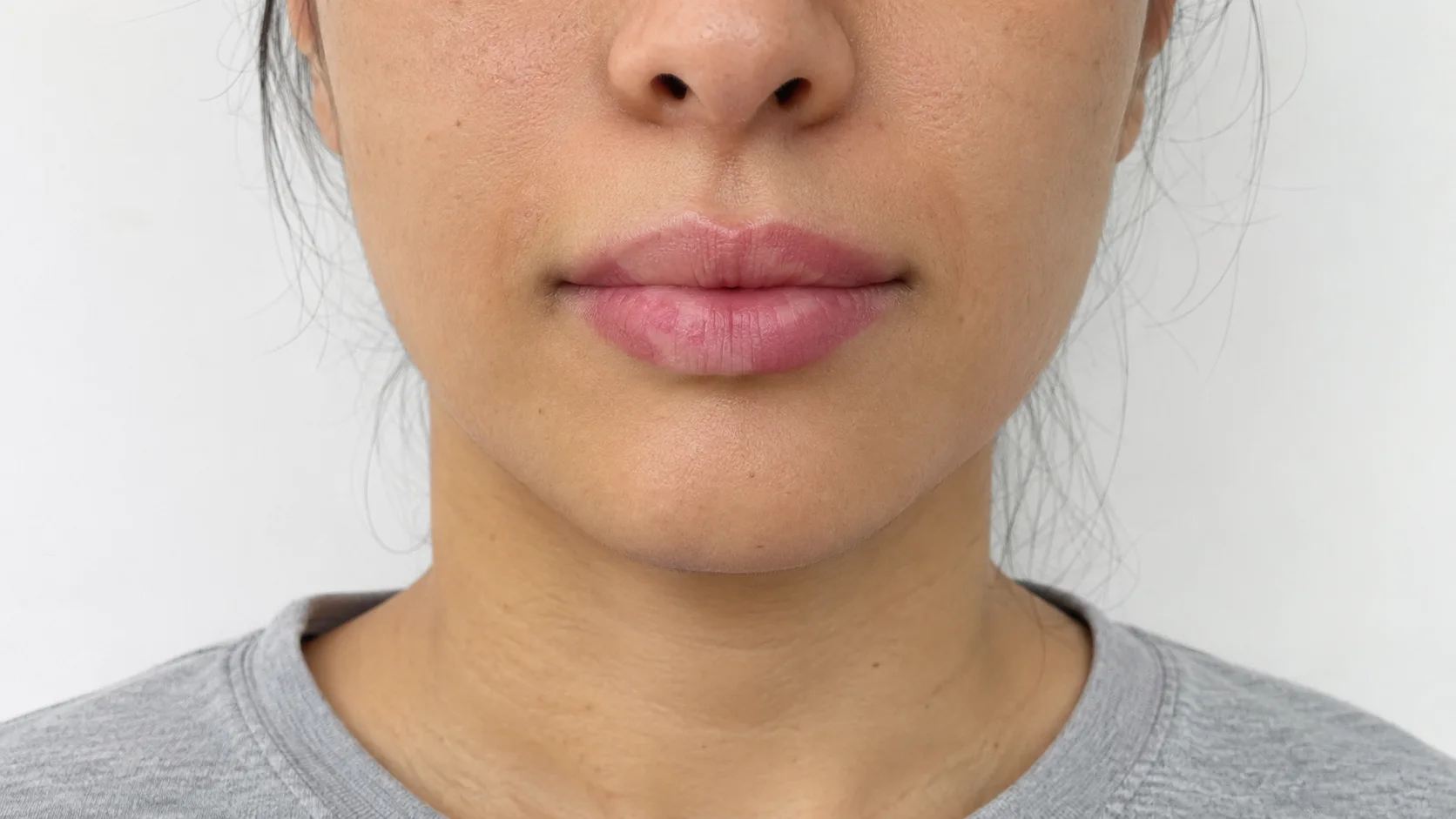
Lip blush faded ghost stage at two weeks
Days 8 to 14: the faded (“ghost”) stage
By now most of the flakes have gone, and many people look in the mirror and see lips that are much lighter than expected, sometimes close to their starting colour and a bit uneven. This is often called the faded or “ghost” stage. A new layer of skin is forming over the pigment, and the colour hasn’t fully shown through yet.
In most cases this is a normal stage rather than a sign something has gone wrong. Don’t judge the result now, and don’t add lip products your artist hasn’t approved to try to fix it. If you’re worried, take a photo and contact your artist.
“This is the stage that worries people the most. Around the second week your lips can look very light and a bit uneven, and it’s easy to think the colour has gone. It’s a normal part of the process, so please give your lips time before you decide how they look.”
Days 15 to 28: colour returns
Over the next couple of weeks the colour gradually deepens, softens and starts to even out. Some unevenness can linger. The surface may feel normal again, but the skin is still settling, so keep following your artist’s instructions, protect your lips from the sun and keep active skincare away from them.
Weeks 4 to 6: final colour
Most people see their settled colour somewhere in this window, and it can occasionally take a little longer. It’s usually a softer shade than the bold colour on day one. This is the point where you can fairly judge the result. Look at your lips in natural daylight and compare them with how they looked before, rather than with the first few days.
Week 6 onwards: the touch-up review
Many people have a review once healing is complete, where the artist looks at how the colour has settled and adds more where it’s needed. Your artist will confirm when your touch-up should be, because timing depends on how you’ve healed and on the studio’s own approach.
What is normal and when to check in
Knowing the difference between a normal stage and a warning sign takes much of the stress out of healing.
Common during healing
| What you notice | Why it’s usually normal |
|---|---|
| Mild swelling in the first couple of days | The lips are sensitive and react to the procedure |
| Tightness and dryness | Skin is drying before it flakes |
| Flaking, sometimes with a little colour in the flakes | The top layer of skin is shedding |
| Lighter or patchy colour around the second week | The faded stage, before the colour settles |
| Slight unevenness or asymmetry for a while | Lips often swell and settle at different speeds |
When to contact your artist or GP
Contact your GP promptly if you notice any of these:
- Redness that is spreading
- Heat in the area
- Swelling that is getting worse rather than easing
- Discharge
- Pain that is increasing
- A fever
- Blisters
If you have a history of cold sores and notice tingling or blisters, speak with your GP. If you have trouble breathing or swelling of the face or throat, call 000 immediately. PhiBeauty is a beauty salon and doesn’t provide medical services, so for anything that worries you about your health, your GP is the right person to see. For questions about the look of your colour, your artist is the right person.
“If something feels wrong, trust that feeling. Spreading redness, heat, swelling that keeps getting worse, discharge or a fever are reasons to see your GP promptly rather than wait. And if you’re just unsure how your colour is looking, get in touch and we’ll take a look together.”
Sarah, cosmetic tattoo artist at PhiBeauty
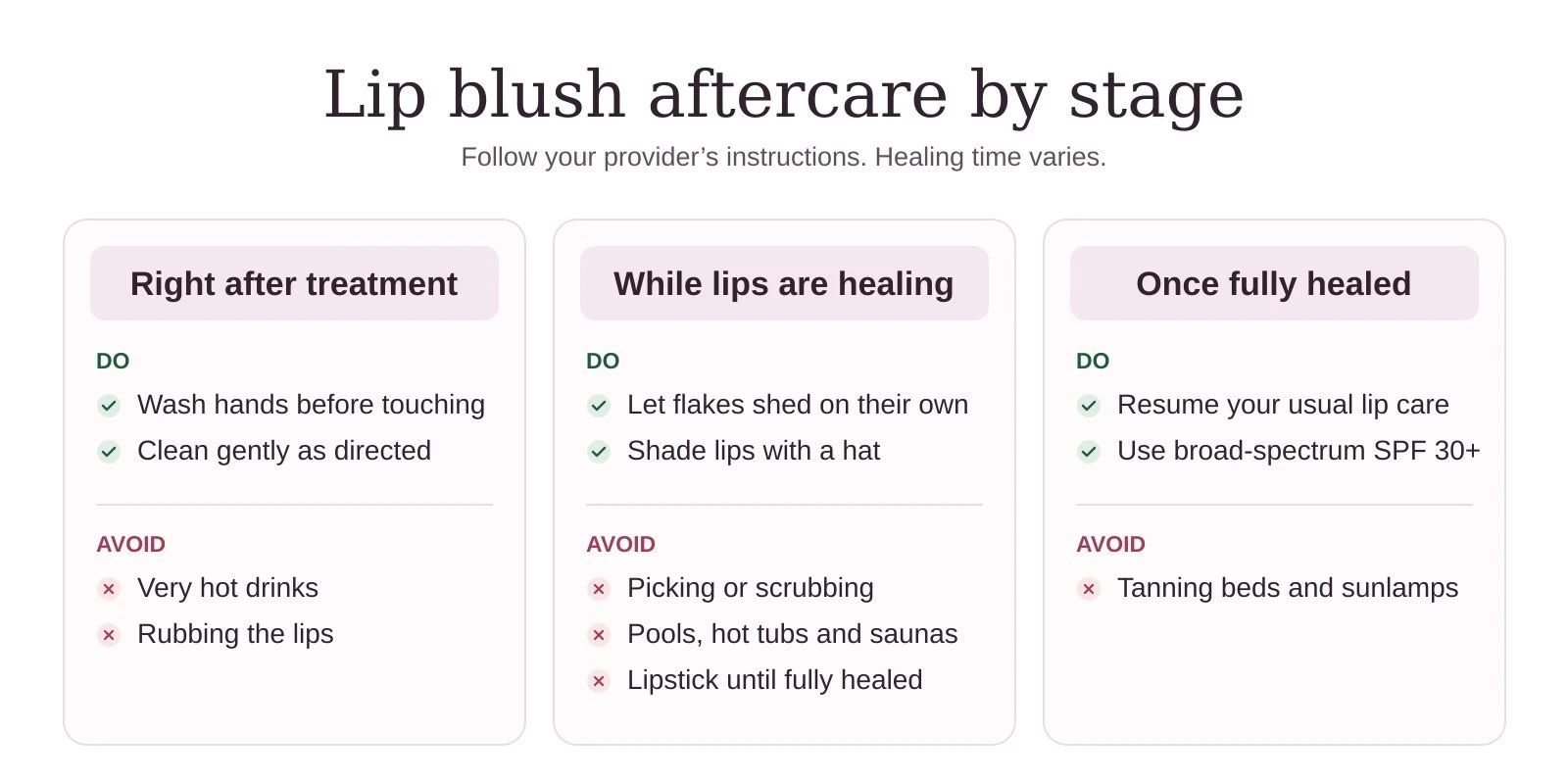
Checklist of what to do and what to avoid during each stage of lip blush healingسسس
Lip blush aftercare by stage
Your artist’s written instructions always come first, because products and advice differ between studios. The table below is general guidance that is common across providers. For the full step-by-step version, see our lip tattoo care page.
| Stage | Do | Avoid |
|---|---|---|
| Days 0 to 3 | Keep your hands clean, use only what your artist has given you and stay out of strong sun | Touching, picking, kissing, spicy or acidic food, saunas, swimming and makeup on the lips |
| Days 4 to 14 | Let flakes fall off by themselves and keep following your artist’s instructions | Picking, peeling, scrubbing or exfoliating, and lipstick, gloss or products your artist hasn’t approved |
| Days 15 to 42 | Protect your lips from the sun once your artist says they’re ready | Active skincare near the lips, lip scrubs and anything that irritates |
“The most important thing is to keep your hands off your lips and follow your instructions exactly. Keep away anything that hasn’t been approved, and once your lips are ready, protect them from the sun.”
Why healing looks different from person to person
Two people can have the same procedure and see different timelines, so comparing yourself with photos online isn’t very reliable. Lighting, filters and different skin all change what you see. A few things shape your own healing:
- Your skin. How your skin heals, and how oily or dry it is, affects how the colour settles.
- Sun exposure. Sun can make colour fade faster than expected.
- Your habits. Licking, picking and using the wrong products on the lips all affect healing.
- Technique and shade. The artist’s technique and the pigment shade both change how the lips look as they settle.
Common lip blush healing mistakes
- Picking or peeling flakes. It can lift colour out unevenly and leave patches.
- Judging the colour in week one or two. The bold start and the faded middle are both temporary.
- Using active skincare or exfoliants near the lips. They can irritate healing skin and fade the colour.
- Skipping sun protection. Strong sun is a common reason colour softens early.
- Wearing lip products too soon. Wait until your artist says your lips are ready.
- Skipping the touch-up review. It’s where your artist can fix unevenness that healing left behind.
Planning your healing around real life
Lips look their boldest at the start and their most uneven around the second week, so timing matters more than people expect.
| If you have | Plan like this |
|---|---|
| A wedding or photoshoot | Allow six weeks or more so your lips have settled, and extra time if you want your touch-up done before the day |
| A holiday with strong sun or lots of swimming | Book so that the first couple of weeks are spent at home, and pack sun protection for your lips |
| A job where you’re on camera or speaking | Expect days 4 to 14 to be the most noticeable stage and plan around them |
“If you have a big date coming up, book earlier than you think you need to. Lips look their most uneven around the second week, and you’ll want the colour settled, and your review done, well before the day.”
Who should check with their GP first
Lip blush isn’t suitable for everyone. Speak with your GP before booking if you’ve had cold sores, because lip procedures can trigger them. The same applies if you’re pregnant or breastfeeding, since many studios advise waiting, if you have a health condition or take medicines that can affect healing or bleeding, or if you’ve reacted to tattoo pigments or skincare before. You must also be 18 or over, because in Victoria it’s illegal to tattoo anyone under 18, including cosmetic tattooing, even with parental consent.
Lip blush at PhiBeauty
PhiBeauty is a beauty salon and cosmetic tattoo studio at G2/657 Chapel St, South Yarra VIC 3141. If you’d like to talk through lip blush, your colour and your healing plan before you decide, book a consultation with Sarah and she’ll walk you through the process, what to expect at each stage and how to care for your lips afterwards. You can read more about our lip tattoo services in South Yarra, and our lip blush guide explains what lip blush is. To book, call +61 452 235 811.
Conclusion
Lip blush healing is a process, not a single result. Expect bold colour first, then dryness, flaking and a faded stage, followed by colour that returns and settles over about four to six weeks. Follow your artist’s aftercare, leave the flakes alone and judge the result at the end, not the middle. If something doesn’t feel right, contact your artist, or your GP if it’s a health concern. And if you’d like to plan your own lip blush with someone who will talk you through every stage, book a consultation with Sarah at PhiBeauty in South Yarra.
Key points to remember:
- The first colour is stronger than the final colour, so don’t judge it.
- Flaking and the faded stage are normal parts of healing.
- Don’t pick or peel the flakes.
- Keep active skincare, scrubs and unapproved lip products off healing lips.
- Protect your lips from the sun once they’re ready.
- Settled colour usually shows between weeks 4 and 6, and your artist confirms any touch-up.
- Contact your GP for spreading redness, heat, worsening swelling, discharge, fever or blisters, and call 000 for trouble breathing.
This article is general information only and is not medical advice. PhiBeauty is a beauty salon and does not provide medical services. Individual results, healing and longevity vary.
Frequently asked questions
1. How long does lip blush take to heal?
The surface usually settles within a couple of weeks, and the final colour develops over about four to six weeks. Timing varies from person to person, so your artist is the best guide for your lips.
2. Is it normal for lip blush to look patchy or faded after a week?
Yes, it often is. Flaking and a lighter, uneven look are common in the first two weeks, and the colour usually evens out as the skin settles. Talk to your artist if you’re worried.
3. What is the ghost stage?
It’s the stage, usually in the second week, when flakes have gone and the lips look much lighter than expected. A new layer of skin is forming, and the colour shows through gradually over the following weeks.
4. Can I pick or peel the flakes?
No. Picking can lift colour out unevenly and irritate the skin. Let the flakes come away by themselves.
5. Why are my lips so swollen after lip blush?
Some swelling in the first day or two is common because lips are sensitive. If it gets worse instead of easing, or you have heat, spreading redness or discharge, contact your GP.
6. When can I wear lipstick or lip balm again?
Your artist’s instructions come first. In general, avoid lipstick and gloss until your artist says your lips are ready, and only use the product they’ve recommended.
7. When can I exercise, swim or use a sauna?
Your artist will give you specific timing. As a general rule, avoid saunas and swimming in the first stage of healing, and ask before returning to heavy sweating or pools.
8. When is the touch-up?
Your artist will confirm it. Touch-up timing depends on how your lips have healed and on the studio’s approach.
9. When should I see my GP?
See your GP promptly for spreading redness, heat, worsening swelling, discharge, increasing pain, a fever or blisters. Call 000 immediately for trouble breathing or swelling of the face or throat.
Sources
- illegal to tattoo anyone under 18
- https://www.geelongcity.vic.gov.au/services/business-and-investment/health-and-beauty/tattooists