Dry vs dehydrated skin is one of the most common sources of confusion in skincare, and it often leads to the wrong moisturiser. Your skin feels tight, a little dull and not quite comfortable, so you reach for a richer cream and hope for the best. Sometimes it helps. Other times it makes no difference, or your skin feels heavy and starts to break out.
If that sounds familiar, the real issue may not be what you assumed. Skin that lacks oil and skin that lacks water can look and feel alike, yet they respond to different kinds of moisturiser. Many people also have a mix of both, and your skin can shift with the seasons, your habits and even the air conditioning in your office. This guide explains the difference in plain language, shows you how to read your own skin, and walks you through choosing a moisturiser that suits.
Dry vs Dehydrated Skin: The Quick Answer
Dry skin lacks oil, and dehydrated skin lacks water. Dry skin is part of your skin type and usually stays with you, with some shift between seasons. Dehydrated skin is a temporary state that can affect anyone, including people with oily or combination skin. Because the cause is different, the moisturiser is different: richer, softening textures for dry skin, and lighter, water-binding textures for dehydrated skin. If you are not sure which applies to you, the checks further down will help you decide.
| Dry skin | Dehydrated skin | |
|---|---|---|
| What it is | A skin type that makes less oil | A temporary state where the skin lacks water |
| Can it change? | Usually stays long term, with seasonal shifts | Can change from day to day or season to season |
| Typical look and feel | Rough, flaky, scaly or tight, often all over | Dull, tight, tired looking, with fine lines that look more obvious |
| Can oily skin have it? | Rarely | Yes, oily and combination skin can be dehydrated |
| Moisturiser focus | Replace and seal with richer, softening textures | Add water and hold it in with water-binding ingredients |
Key Takeaways
- Dry skin is a skin type that lacks oil. Dehydrated skin is a temporary state that lacks water.
- Oily skin can be dehydrated, and many people have both at once.
- Dry skin tends to suit richer creams. Dehydrated skin tends to suit lighter, water-binding textures.
- Four simple checks at home give you a useful starting point, though they are clues and not a verdict.
- Apply moisturiser to slightly damp skin, and finish with sunscreen in the morning.
- Give a new routine a few weeks, and add one product at a time.
What Is the Difference Between Dry and Dehydrated Skin?
Dry skin is a skin type. It means your skin makes less natural oil than average, so it is less able to hold moisture and protect itself. It tends to feel rough or tight most of the time, and it can flake or look scaly, particularly in cooler months.
Dehydrated skin is a state rather than a type. The skin is short of water, whatever its oil level. The surface can look dull and tired, feel tight and show fine lines that look more obvious, yet the skin may still look shiny in places.
The easiest way to remember it: dry skin lacks oil, and dehydrated skin lacks water. Oil helps seal moisture in, and water is what keeps skin comfortable and plump. A moisturiser should match whichever one is missing, and many people need a little of both.
What Causes Dry Skin and Dehydrated Skin?
Causes of Dry Skin
Dry skin comes down mostly to how much oil your skin makes naturally, which varies from person to person and can change over the years. Cold, windy weather and low humidity can make it feel worse, and so can long hot showers and cleansers that strip the skin. If your dryness is persistent or uncomfortable, mention it to your GP or pharmacist, since not every cause is related to skincare.
Causes of Dehydrated Skin
Dehydration is mostly about water loss and a skin barrier that is under strain, and it usually has more than one cause.
- Over-cleansing, or using harsh, stripping cleansers
- Too much exfoliation, or several strong active products at once
- Hot showers and very hot water on the face
- Air conditioning, heating and low humidity
- Sun exposure without protection
- Skipping moisturiser, or using one that does not suit your skin
- Lack of sleep, high stress, alcohol and caffeine, which can all change how skin looks and feels
The upside is that most of these are habits, so they are easier to adjust than a skin type.

How Can You Tell Which One You Have?
How Can You Tell Which One You Have?
Skin is not always easy to read, so start with what you can see and feel. The signs below are descriptive guides to help you choose products. If your skin is persistently red, itchy, cracked or sore, have it properly assessed rather than adding more skincare.
Common Signs of Dry Skin
- Skin feels rough or tight most of the time, not just after cleansing
- Visible flaking, scaling or a papery texture
- Little to no shine, even through the middle of the day
- Feels better after a rich cream, and worse in cold or windy weather
Common Signs of Dehydrated Skin
- Skin looks dull, tired or slightly grey, and feels tight after cleansing
- Fine lines look more obvious, especially around the eyes and cheeks
- Skin can still be shiny in places, such as the forehead and nose
- Makeup looks patchy or sinks into fine lines
- Feels better after a hydrating serum, and worse after flights, heating or air conditioning
When You Have Both at Once
It is common to have a dry skin type that is also dehydrated, or an oily skin type that is dehydrated. If you feel tight and look dull but also get shine or breakouts, that points to oily and dehydrated skin. If your skin is flaky, rough and looks tired, you may be dealing with dry and dehydrated skin together.
Four Simple Checks to Try at Home
These checks are informal, so take them as clues.
- The bare face check. Cleanse gently, pat dry and apply nothing. Wait around 30 minutes and notice how your skin feels and looks. If it feels tight and rough all over, dryness is likely. If it feels tight but looks shiny in places, dehydration is more likely.
- The gentle pinch check. Lightly pinch a small area of cheek skin for a moment, then release. If fine ridges linger and the skin is slow to bounce back, that can suggest dehydration.
- The habit check. Ask whether your skin feels worse after air travel, heating, long showers or a stressful week. Skin that changes quickly with conditions is often dehydrated.
- The product check. If rich creams make your skin feel heavy or greasy but it still feels tight, it may be asking for water rather than oil.
How Do You Choose a Moisturiser for Your Skin?
How Do You Choose a Moisturiser for Your Skin?
Once you know whether your skin is short of oil, water or both, the choice becomes simpler. Match the texture and the main ingredient type to what your skin is missing.
- If You Have Dry Skin: Look for richer creams and balms with softening ingredients such as ceramides, fatty acids, squalane or shea butter. These replace some of the oil your skin is missing and help seal moisture in. Apply morning and night, with a richer texture in the evening if you like.
- If You Have Dehydrated Skin: Look for water-binding ingredients such as hyaluronic acid, glycerin and panthenol, in a lighter gel, lotion or gel-cream. A hydrating serum underneath, followed by a light moisturiser to hold the water in, often works well.
- If You Have Oily Skin That Is Dehydrated: Choose a lightweight, oil-free gel or gel-cream with humectants, and avoid skipping moisturiser. Oily skin can still be short of water, and leaving moisturiser out can make it feel tighter.
- If You Have Combination Skin: Use a light moisturiser overall and add a richer layer only where you feel dry, such as the cheeks. Care for the oilier and drier zones separately rather than putting one heavy product everywhere.
- If You Have Dry and Dehydrated Skin Together: Layer your products. Start with a hydrating serum for water, then follow with a richer cream to hold it in. This is often the most comfortable combination.
- If Your Skin Is Sensitive: Choose fragrance-free formulas with a short ingredient list, introduce one new product at a time and patch test first. If you have eczema or rosacea, or use prescription skin medication, ask your GP or pharmacist before changing your routine.
What Do the Main Moisturiser Ingredients Actually Do?
Moisturisers work in three main ways, and most formulas combine them. Australian Pharmacist, the journal of the Pharmaceutical Society of Australia, describes the same groups: humectants that draw water in, emollients that soften and smooth, and occlusives that seal moisture in. Knowing which job each ingredient does makes an ingredient list far easier to read.
| Ingredient type | What it does | Common examples |
|---|---|---|
| Humectants | Attract and bind water | Hyaluronic acid, glycerin, panthenol |
| Emollients | Soften and smooth the skin surface | Ceramides, squalane, fatty acids |
| Occlusives | Form a protective layer that slows water loss | Shea butter, plant butters and oils, silicones |
As a general guide, dehydrated skin tends to do best with humectants and a light seal, dry skin with emollients and occlusives, and skin that is both often needs all three.
Hydrating Serums and Moisturisers at PhiBeauty
Here are six products from our hydration range, in no particular order. The descriptions come from the product names and what is printed on the packs, so read each product page for directions and the full ingredient list before you choose. Add one new product at a time.
- Medik8 Hydr8 B5 30ml: A hydrating serum for the step after cleansing and before moisturiser. Our range also lists Medik8 Hydr8 B5 Intense 30ml, so you can compare the two pages from the same brand. View product
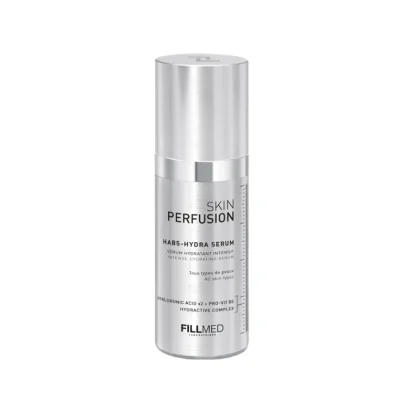
- Fillmed HAB5-Hydra Serum 30ml: Another serum for the water step of a layered routine. Fillmed also has a Cleansing Oil 200ml in our range, for anyone who likes to build a routine around one brand. View product

- Base Cream High Classic 50ml: This Dermaviduals cream carries a line on the pack describing it as skin care for dehydrated and sensitive skin, which is why it sits in the dehydrated group here. If your skin is sensitive, still check the ingredient list for anything you avoid. View product

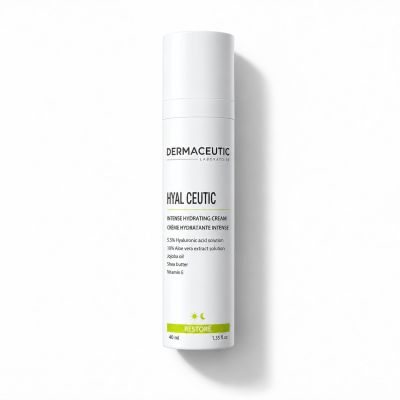
- Dermaceutic Hyal Ceutic 40ml: The Dermaceutic pack calls this an intense hydrating cream and lists a hyaluronic acid solution among its ingredients, which fits the water-binding group described above. View product
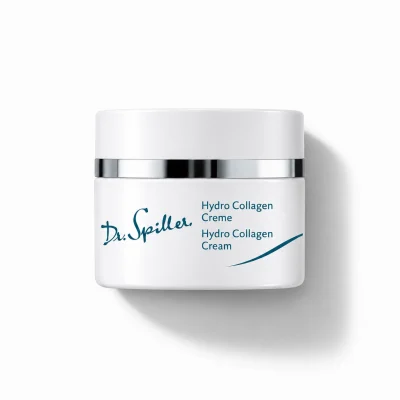
- Dr Spiller Hydro Collagen Cream 50ml: A cream from the Dr Spiller range, listed in both our hydration and moisturiser categories. The name alone does not tell you whether it feels light or rich, so check the texture on the product page. View product
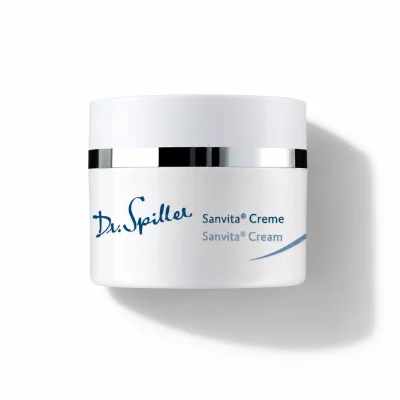
- Dr Spiller Sanvita Cream 50ml: Also from Dr Spiller, with the same 50ml size as the cream above, which makes the two easy to compare side by side. Look at the product page for how the brand describes its texture. View product
To see everything in one place, browse our hydration range or the wider moisturiser range. If you are weighing up a hydrating serum against a moisturiser, our guide to hydrating serum vs moisturiser explains when each one earns its place.
Which Option Suits You?
- If your skin feels tight and looks dull, but still gets shine: start with a hydrating serum and a lighter moisturiser from the hydration range, since water is what is missing.
- If your skin is rough, flaky and tight most of the time: look at richer creams in the moisturiser range, since oil is what is missing.
- If you are not sure: a short consultation can help you read your skin before you buy. You can book a consultation with our team in South Yarra.
How to Apply Moisturiser So It Works Harder
How to Apply Moisturiser So It Works Harder
A few small habits help any moisturiser work harder.
- Apply moisturiser to slightly damp skin, within a minute or two of cleansing, so it can hold that water.
- If your skin is dehydrated, use a hydrating serum first and then seal it in with moisturiser.
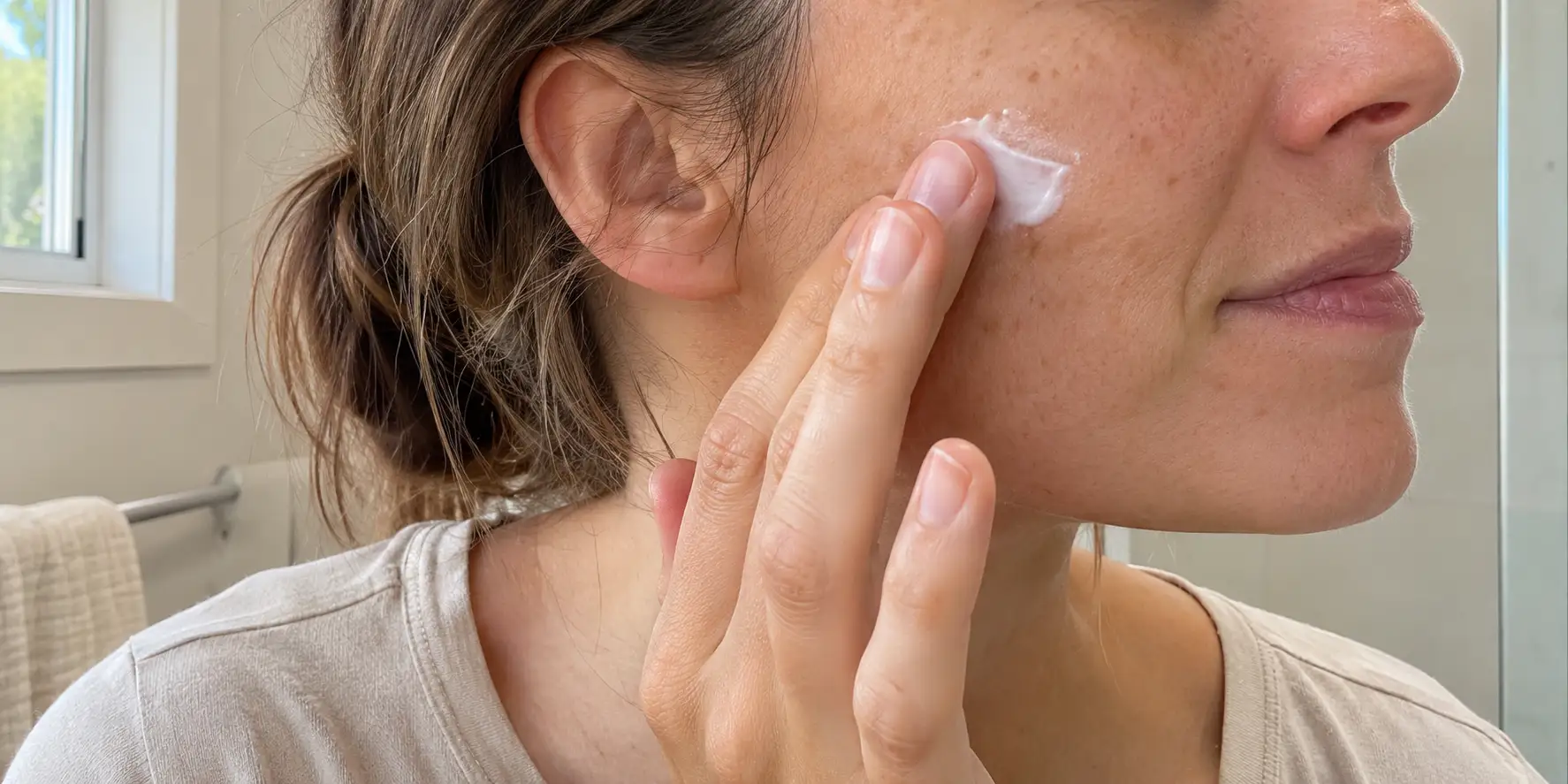
- Use enough to cover the face and neck comfortably, and press it in rather than rubbing.
- Moisturise morning and night, even if your skin is oily.
- In the morning, finish with a broad-spectrum sunscreen, because sun exposure dries skin out.
Everyday Habits and Common Mistakes
Products work best when your daily habits support them.
| Mistake or habit | What happens | Quick fix |
|---|---|---|
| Using only heavy oils on dehydrated skin | Skin feels heavy or congested and still feels tight | Add water-binding ingredients |
| Skipping moisturiser because skin is oily | Oily skin can still be dehydrated | Use a light, oil-free gel or gel-cream |
| Exfoliating to fix dullness | Dull, tight skin often needs hydration, not more exfoliation | Limit exfoliation and add actives slowly |
| Changing products every week | You cannot tell what is working | Give a new product a few weeks |
| Washing with hot water | Skin feels tighter afterwards | Use lukewarm water |
| Skipping daily sunscreen | UV dries skin and strains the barrier | Wear SPF every day |
| Over-cleansing with stripping cleansers | The skin loses more water | Choose a gentle, non-stripping cleanser |
Two more habits help: a humidifier, or less time in dry heated or air-conditioned rooms, and regular drinking water. Water supports your general health, but your moisturiser does the work on the surface.
When Is It Worth Getting Your Skin Properly Assessed?
Most dryness and dehydration can be improved with the right products and habits. If your skin is persistently red, itchy, cracked or painful, or does not improve after a few weeks of consistent, gentle care, have it assessed by your GP or pharmacist rather than trying more products. Persistent symptoms can have causes that skincare alone will not fix.
Final Thoughts: Match the Moisturiser to What Your Skin Is Missing
Dry skin lacks oil and dehydrated skin lacks water, and knowing which one you have is the quickest way to choose a moisturiser that works. Match the texture and ingredients to what is missing, apply it well, keep the habits simple and give it a few weeks. When you are ready, browse our hydration range, or book a consultation and we will help you read your skin.
Visit PhiBeauty
PhiBeauty | South Yarra, Melbourne | Cosmetic Tattoo, Laser & Skin Studio
| Business name | PhiBeauty |
| Address | G2/657 Chapel St, South Yarra VIC 3141 |
| Phone | +61 452 235 811 |
FAQ
1. What is the main difference between dry and dehydrated skin?
Dry skin is a skin type that makes less oil, while dehydrated skin is a state where the skin lacks water. Dry skin tends to be rough and flaky, and dehydrated skin tends to look dull and tight, sometimes with shine.
2. Can oily skin be dehydrated?
Yes. Oily skin can lack water even though it makes plenty of oil. That is why some people feel tight and look dull while still getting shine and breakouts.
3. Can I have dry and dehydrated skin at the same time?
Yes, and it is common. Layering a hydrating serum under a richer moisturiser usually suits this combination.
4. Which ingredients should I look for in a moisturiser for dehydrated skin?
Look for humectants such as hyaluronic acid, glycerin and panthenol, in a lighter gel or lotion, with a little barrier support to hold the water in.
5. Which ingredients suit dry skin?
Richer formulas with emollients and occlusives, such as ceramides, squalane, fatty acids and shea butter, help soften the skin and seal in moisture.
6. Does drinking more water fix dehydrated skin?
Staying well hydrated supports your general health, but it does not replace a good moisturiser. Surface dehydration is mostly improved by gentle skincare, protecting the skin barrier and using water-binding products.
7. How long does it take to see an improvement?
Many people feel more comfortable within a week or two of a gentle, consistent routine, while changes in texture often take a few weeks. If there is no improvement after several weeks, have your skin assessed.
Sources
- de Koning T. Dry skin management. Australian Pharmacist. 5 October 2019. https://www.australianpharmacist.com.au/dry-skin-management/