Milk Cleanser vs Foaming Cleanser: Which Suits Your Skin?
Neither a milk cleanser nor a foaming cleanser is automatically better for every routine. The right choice depends on how your skin feels after cleansing, what you need to remove—such as daily impurities, sunscreen or makeup—and the formula behind the texture.
A milk cleanser may appeal if you prefer a low-lather, more conditioning cleansing experience. A foaming cleanser may suit you if you enjoy a fresher rinse-off feel or want to address excess surface oil and daily build-up. In either case, lather alone does not tell you whether a cleanser will feel comfortable on your skin.
This guide compares milk cleanser vs foaming cleanser through a practical lens: skin comfort, cleansing load and formula. It will help you choose an option that fits your routine rather than relying on a one-size-fits-all rule.
Quick Answer
A milk cleanser and a foaming cleanser can both suit your skin—the better choice depends on the formula, your skin’s current condition and what you need to remove. Milk cleansers often feel more conditioning, while foaming formulas can feel fresher for oilier or more congested skin. Focus on comfort after rinsing, not lather alone.
Key Takeaways
- Foam is not the verdict. A cleanser’s feel and suitability depend on its full formula, not simply whether it produces lather.
- Milk cleansers can feel more conditioning. Their low-lather or non-foaming format may suit people who prefer a softer-feeling cleanse, particularly when skin feels tight after washing.
- Foaming cleansers are not automatically harsh. Some people prefer their fresher rinse-off feel, especially when dealing with excess surface oil, sunscreen or daily build-up.
- Choose according to your current needs. Consider your skin state, what you are cleansing away and how your skin feels afterwards before deciding which cleanser format to explore.
What Is a Milk Cleanser?
A milk cleanser is usually a low-lather or non-foaming facial cleanser with a fluid, creamy or milky texture. It is designed to lift away everyday impurities, excess surface oil and light makeup residue while giving the skin a softer, more conditioned feel after rinsing.
The term milk cleanser describes a format rather than one fixed formula. Some cleansing milks are richer and more emollient, while others are lighter and rinse away more cleanly. That is why a milk cleanser should not automatically be treated as the right choice for every dry, sensitive-feeling or dehydrated skin routine—its ingredients and your own post-cleanse comfort still matter.

How Milk Cleansers Usually Cleanse
Low lather does not mean a cleanser is not working. Like other rinse-off cleansers, a milk cleanser can use cleansing ingredients to help loosen everyday build-up from the skin, including excess surface oil, sunscreen and light makeup residue.
Many milk cleansers also include ingredients that contribute to a more emollient or conditioned skin feel. This can make them appealing if your face often feels tight or uncomfortable immediately after washing. However, how thoroughly a particular formula removes sunscreen or makeup depends on the product’s official directions, the amount you are wearing and whether those products are water-resistant.
When a Milk Cleanser May Feel Like a Good Fit
A milk cleanser may be worth considering if you prefer a low-lather cleanse and want your skin to feel comfortable rather than squeaky-clean after rinsing. It can be a practical format for routines where your main cleansing needs are daily impurities, lighter makeup or everyday sunscreen—provided the product directions support those uses.
If your skin often feels dry, tight or easily uncomfortable after cleansing, look beyond the product format and check the full formula. Fragrance, exfoliating ingredients, cleansing agents and your overall routine can all affect how a cleanser feels on your skin. You can explore gentle cleanser options and compare the product details, directions and ingredient information before choosing a milk cleanser.
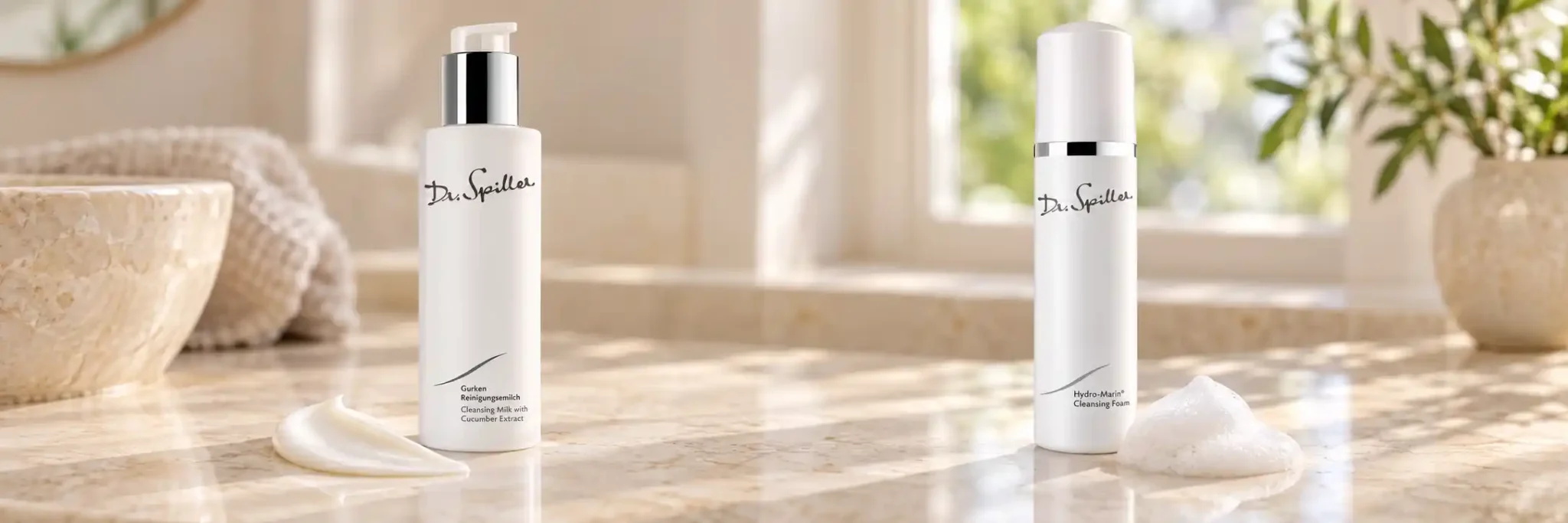
For a creamy cleansing milk format, Dr Spiller Cleansing Milk Cucumber Extracts 200ml is described as a lightweight cleansing milk with cucumber extracts. Check the full product directions and ingredient information before adding it to your routine.

What Is a Foaming Cleanser?
A foaming cleanser is a facial cleanser that creates lather as it is worked between wet hands or applied to damp skin. It may come as a gel, cream, liquid or ready-made foam, so the presence of bubbles alone does not explain how strong, gentle or suitable the formula will feel for your skin.
Some foaming cleansers are designed to rinse away with a fresh, light finish, which can appeal if your skin feels oily, congested or coated by daily build-up. Others include conditioning ingredients that make the cleanse feel more comfortable. The most useful question is not “Does it foam?” but “How does this specific formula leave my skin feeling after I rinse it off?”

Why Foaming Cleansers Can Feel Different
A foaming cleanser can feel especially refreshing because lather changes the sensory experience of washing your face. For some people, that light, clean rinse-off feel is exactly what they want at the end of the day.
However, a squeaky-clean feeling is not a universal sign that a cleanser has done a better job. If your skin regularly feels tight, dry or uncomfortable after cleansing, it may be worth reassessing the formula, how often you cleanse and the other products in your routine.
When a Foaming Cleanser May Feel Like a Good Fit
A foaming cleanser may be worth considering if you prefer a fresher rinse-off feel or want to remove excess surface oil, sunscreen and daily impurities. It can also suit routines where you wear light makeup, provided the individual product’s directions support makeup removal.
For oilier or congestion-prone skin, choose based on the full formula and how your skin responds over time—not solely on the fact that the cleanser creates foam. If you are comparing formats, you can view foaming cleanser options and check each product’s directions, ingredients and current availability.
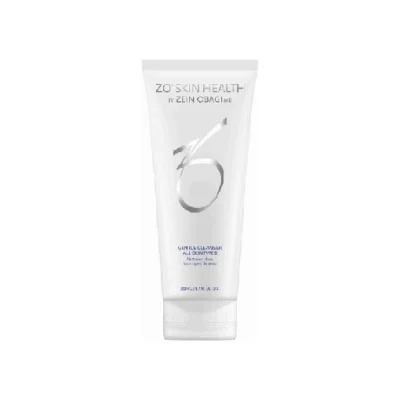
If you prefer a lightweight foaming texture but do not want to choose by lather alone, ZO Skin Health Gentle Cleanser All Skin Types 200ml is described as a lightweight foaming cleanser. Review its full product details and directions before deciding if it suits your routine.
Milk Cleanser vs Foaming Cleanser: Side-by-Side Comparison
Neither format is automatically more gentle or more effective. A milk cleanser and a foaming cleanser can both be a good fit when the formula, cleansing load and post-cleanse feel match your skin’s current needs. The comparison below is a starting point rather than a rulebook. Individual formulas vary, so always check the product directions and pay attention to how your skin feels after rinsing.
| Foaming Cleanser | Milk Cleanser | Consideration |
|---|---|---|
| May be a gel, cream, liquid or ready-made foam that lathers with water | Often fluid, creamy or milky | Texture |
| Produces light to rich lather, depending on the formula | Usually low-lather or non-foaming | Lather |
| May feel fresher or lighter after rinsing | May feel softer or more conditioning | Post-cleanse feel |
| Can help remove daily impurities, excess surface oil and light makeup residue | Can help remove daily impurities, excess surface oil and light makeup residue | Everyday cleansing |
| Check the product directions, especially for water-resistant sunscreen or heavier makeup | Check the product directions, especially for water-resistant sunscreen or heavier makeup | Sunscreen and makeup |
| May still suit your routine if the formula feels comfortable after rinsing | May be worth considering if you prefer a low-lather, comfort-focused cleanser | Dry, tight or uncomfortable-feeling skin |
| May be worth considering if you prefer a fresh rinse-off feel | May work if the formula and rinse-off feel suit your preferences | Oily or congested-feeling skin |
| Look at fragrance, cleansing agents, conditioning ingredients and product directions | Look at fragrance, cleansing agents, conditioning ingredients and product directions | Formula checks |
Use the table to narrow your options, then look at the individual formula. The label “milk” or “foam” cannot tell you everything about how a cleanser will feel, how it fits your routine or whether it is designed for the sunscreen and makeup you use.
If your priority is skin comfort after washing, start by comparing low-lather and milk cleanser options. If you prefer a fresher rinse-off feel or regularly deal with excess surface oil, compare the foaming options as well.
Choose by Your Skin State, Not Just Your Skin Type
Skin type can be a helpful starting point, but it is not the only factor that matters. Your skin may feel different depending on weather, your current routine, active products, how often you cleanse, and whether you are removing makeup or water-resistant sunscreen. Instead of choosing a cleanser from a simple “dry equals milk” or “oily equals foam” rule, consider what your skin feels like now and what you need your cleanser to remove.
How to Choose the Right Type of Cleanser
If you want to reap all the benefits your cleanser offers, it’s essential to use one that is compatible with your skin type and boasts active ingredients that tackle your most pressing skin issues. As board-certified dermatologist Dr. Whitney Bowe says, the right cleanser can have a real impact on reaching your skincare goals. “During the day, the skin is exposed to pollutants in the air that can cling to skincare and makeup.
We also sweat and apply SPF, so if you don’t thoroughly cleanse at the end of the day, that buildup can accelerate signs of aging and trigger acne and rosacea flares. At night, your cleanser should remove excess oils, debris, pollution, sunscreen, and makeup while supporting the skin barrier. Your skin should feel soft, supple, and refreshed after cleansing—not tight or dry.” Here’s what to look for among the different types of cleansers.
According to the article on the website dermstore: Different Types of Cleansers: A Dermatologist-Approved Guide

If Your Skin Feels Dry, Tight or Easily Uncomfortable
If your face often feels tight or uncomfortable after cleansing, prioritise a cleanser that leaves your skin feeling comfortable after rinsing. A milk cleanser or low-lather formula may be worth exploring if you prefer a softer, less squeaky-clean finish.
This does not mean every milk cleanser will suit dry or sensitive-feeling skin. Check the formula, follow the directions and consider whether fragrance, exfoliating ingredients or frequent cleansing may be affecting your comfort. If you prefer a low-lather cleansing option, Dermaviduals Cleansing Milk 150ml is positioned for sensitive and lipid-dry skin. Review the full product details and directions to decide whether it fits your routine.

If Your Skin Is Oily but Feels Dehydrated
Oily skin can still feel dehydrated or uncomfortable. In this situation, focus on both the amount of surface oil you notice and how your skin feels after cleansing.
A foaming cleanser may still suit you if its formula leaves your skin comfortable. A milk cleanser may also be worth considering if you prefer a softer rinse-off feel. Your response to the individual product matters more than assuming that oiliness automatically requires a high-lather cleanse.
If your priority is a foaming format for skin that feels oily or congested, Mesoestetic Purifying Mousse 150ml is positioned as a foaming cleanser for oily and acne-prone skin. Check the directions and full formula to see whether it suits your routine.
If Your Skin Is Combination
Combination skin often does not need one fixed cleanser rule. Consider which areas feel most uncomfortable, how much sunscreen or makeup you wear, and whether your skin feels tight after washing.
You may prefer a milk cleanser when your skin feels dry or uncomfortable, or a foaming cleanser when you want a fresher finish. The aim is to find a formula that feels balanced across your routine rather than overly cleansing in one area.
If Your Skin Feels Sensitive or Reactive
Sensitive-feeling skin is not a diagnosis, and the right cleanser depends on the product formula and your individual tolerance. Consider checking product directions and ingredient information carefully, especially if your skin tends to feel uncomfortable after washing.
A low-lather format may be appealing, but it is not a guarantee of suitability. Introduce new products thoughtfully and stop using a product if you experience ongoing discomfort. If you have persistent symptoms or a diagnosed skin condition, seek advice from a qualified healthcare professional.
Consider What You Need to Remove
The right cleanser format can also depend on your cleansing load. A day with minimal skincare may call for a different approach from a day when you have worn water-resistant sunscreen, heavier makeup or several layers of complexion products.
Minimal Skincare, Daily Sunscreen or Light Makeup
For minimal skincare, daily sunscreen or light makeup, start with the product’s official directions. Many cleansers are designed to help remove everyday impurities and light residue, but individual formulas vary.
If you wear water-resistant sunscreen, do not assume that every milk cleanser or foaming cleanser will remove it in the same way. Check the product instructions and adjust your routine according to what you have applied.
Heavier Makeup or Water-Resistant Products
Heavier makeup and water-resistant products can require a more considered cleansing routine. One cleanser may be enough for some people and products, while others may prefer to use a separate first cleanse before their usual facial cleanser.
The best approach depends on the products you wear, the instructions provided by the cleanser brand and how your skin feels afterwards. There is no requirement to double cleanse unless it suits your routine and helps you remove the products you have used.
How to Tell Whether Your Cleanser Is Working for You
A cleanser is more likely to fit your routine when your skin feels comfortably clean after rinsing rather than persistently tight, uncomfortable or coated. Pay attention to patterns over time. If a cleanser consistently leaves your skin feeling dry, uncomfortable or not adequately cleansed for your routine, consider a different format or formula.
What to Check in the Formula Before You Choose
The label “milk” or “foam” is useful, but it is not enough to make a final decision. Look at the full formula, the product directions and what the cleanser is designed to remove.
- Look Beyond Lather: Lather is a sensory feature, not a complete measure of gentleness or cleansing performance. Some foaming cleansers may feel comfortable on the skin, while some low-lather formulas may not suit every routine. Choose according to the product’s cleansing directions, ingredients and your own post-cleanse comfort rather than assuming that more foam means more cleansing power.
- Consider Fragrance and Exfoliating Ingredients: Fragrance and exfoliating ingredients are individual considerations. Some people prefer fragrance-free options, particularly if their skin often feels uncomfortable, while others may tolerate fragranced products without concern. If a cleanser contains exfoliating ingredients, consider how it fits with the rest of your skincare routine. Avoid assuming that an active ingredient is necessary simply because you want a deeper-feeling cleanse.
- Look for Product-Specific Directions: Product directions can clarify how to use a cleanser, whether it should be rinsed off, and whether it is positioned for removing makeup or sunscreen. They can also help you understand whether the product is intended as a daily cleanser or part of a more specific routine. Read those directions before choosing, especially when comparing formulas for water-resistant sunscreen, heavier makeup or skin that feels easily uncomfortable.
- Introduce New Products Thoughtfully: Introduce a new cleanser gradually and pay attention to how your skin feels over several uses. If you experience ongoing discomfort, stop using the product and seek qualified advice where appropriate. This is particularly important if you have persistent skin concerns or a diagnosed skin condition, as a general cleanser guide cannot replace individual professional advice.
A Practical Decision Guide: Milk or Foam?
Choose a milk cleanser if post-cleanse comfort is your main priority. Consider a foaming cleanser if you prefer a fresher rinse-off feel or want a format that fits your usual cleansing load. In both cases, the formula and how your skin responds matter more than the presence—or absence—of lather.
Consider a Milk Cleanser If…
A milk cleanser may be worth considering if you prefer a low-lather cleanse and your skin often feels tight, dry or uncomfortable after washing. It can also appeal if you want a softer, more conditioning-feeling finish after removing daily impurities, light makeup or sunscreen.
For a product-specific option, Dermaviduals Cleansing Milk 150ml is positioned for sensitive and lipid-dry skin. Check the full product directions, ingredient information and current availability before deciding whether it fits your routine.
Consider a Foaming Cleanser If…
A foaming cleanser may be worth considering if you enjoy a fresh rinse-off feel, notice excess surface oil or want a cleanser format that fits your everyday sunscreen and makeup routine. Foam itself is not a measure of strength, so focus on how the individual formula feels after rinsing.
For skin that feels oily or congested, Mesoestetic Purifying Mousse 150ml is positioned as a foaming cleanser for oily and acne-prone skin. Review the product directions and full formula before adding it to your routine.
Consider Both Formats If…
You do not need to choose one cleanser format forever. Some people prefer a milk cleanser when their skin feels dry, tight or easily uncomfortable, then choose a foaming cleanser on days when they want a fresher finish or are removing more sunscreen and makeup. Using two formats is optional, not a requirement. Your routine should be guided by your cleansing needs, the products you are wearing and whether your skin feels comfortably clean afterwards.
Key Takeaways
- Neither cleanser format is automatically better. Milk cleansers and foaming cleansers can both suit different routines; the most useful choice depends on the formula, your cleansing needs and how your skin feels after rinsing.
- Choose beyond the lather. A low-lather milk cleanser may offer a softer, more conditioning-feeling cleanse, while a foaming cleanser may provide the fresh rinse-off feel some people prefer. Neither texture alone defines how gentle or effective a formula will feel.
- Match the cleanser to your current skin state. If your skin often feels tight or uncomfortable, prioritise post-cleanse comfort. If you notice excess surface oil or prefer a fresher finish, a foaming formula may be worth considering—provided it still feels comfortable on your skin.
- Think about what you need to remove. Daily sunscreen, light makeup, water-resistant products and heavier makeup can change your cleansing needs. Always check the individual product directions rather than assuming every milk or foaming cleanser performs the same way.
- Use the product details to make the final choice. Check the formula, intended use and directions before purchasing, then choose the option that fits your routine rather than relying on a universal rule.
Conclusion
Neither a milk cleanser nor a foaming cleanser is the right choice for everyone. If your skin often feels tight, dry or uncomfortable after cleansing, a low-lather milk cleanser may be worth considering. If you prefer a fresher finish or want to remove excess surface oil and everyday build-up, a foaming cleanser may better fit your routine. The key is to look beyond bubbles: check the formula, consider sunscreen or makeup removal needs, and notice how your skin feels after rinsing. Choose the cleanser that supports a comfortable routine, then compare available options by skin concern and product
FAQ
Is a Milk Cleanser Better for Dry Skin?
A milk cleanser may be worth considering if dry skin tends to feel tight or uncomfortable after washing, especially if you prefer a low-lather, more conditioning-feeling cleanse. However, it is not automatically better for every dry skin routine. Check the formula and choose a cleanser that leaves your skin feeling comfortable after rinsing.
Is a Foaming Cleanser Bad for Dry or Sensitive-Feeling Skin?
No. A foaming cleanser is not automatically unsuitable for dry or sensitive-feeling skin. Some foaming formulas may leave some people feeling tight or dry, while others may feel comfortable depending on the formula, how often you cleanse and your individual tolerance.
If your skin feels persistently uncomfortable, consider simplifying your routine, review the product directions and seek qualified advice for ongoing or diagnosed skin concerns.
Can a Milk Cleanser Remove Sunscreen?
A milk cleanser may help remove sunscreen, but this depends on the individual formula, the amount applied and whether the sunscreen is water-resistant. Check the product’s official directions rather than assuming that every milk cleanser removes sunscreen in the same way.
For water-resistant sunscreen or heavier makeup, some people may prefer an additional first cleansing step before their usual facial cleanser.
What Does “Foam-Free Cleanser” Mean?
A foam-free cleanser is a broad term for a cleanser that does not create noticeable lather during use. It does not always mean the product is a milk cleanser: cream, balm, oil and some gel cleansers can also be foam-free or low-lather. When comparing a foam-free cleanser with a foaming cleanser, focus on the full formula, cleansing directions and how your skin feels afterwards—not only on whether bubbles appear.