Anti-glycation skincare has moved from specialist skincare circles into everyday conversation, and the term now appears on night creams, serums and eye creams alike. It sounds scientific, and that is part of the appeal, but it also leaves many people with the same questions. What is glycation, exactly? Does sugar really change how skin looks? And can a cream applied at night do anything about it? The honest answer sits somewhere between the marketing and the dismissal.
Glycation is a natural process that skincare brands and published reviews describe in detail, while the usefulness of creams for it is still debated. In this guide we separate what the sources agree on from what remains uncertain, so you can judge any anti-glycation product for yourself.
We also look at the everyday habits that matter more than any cream, and where a night cream sensibly fits into an evening routine, including what one product can realistically do. PhiBeauty is a skincare retailer and beauty salon in South Yarra, so we mention two of our own night creams near the end, clearly labelled.
What Is Glycation in Skin?
Glycation is a natural process in which sugar molecules attach to proteins in the body, including collagen and elastin in the skin. The result is a group of compounds called advanced glycation end products (AGEs). According to skincare brands and published reviews, these can make skin proteins stiffer and affect how skin looks over time.
Collagen and elastin are the proteins that give skin its structure, firmness and flexibility. ISDIN’s editorial team describes glycation as a process that begins around age 20 and gradually intensifies, while SkinCeuticals notes that it can occur even with normal glucose levels and that a high-sugar diet can speed it up. Both describe it as natural rather than a sign that something is wrong with your skin.
Key Takeaways
- Glycation is a natural process in which sugars attach to skin proteins such as collagen and elastin.
- Sources say it can contribute to a duller, less bouncy look, and that sun exposure, smoking and high-sugar diets can speed it up.
- Whether creams can prevent glycation in the skin is still debated.
- A night cream can moisturise and deliver antioxidants, but it cannot reverse glycation.
- Daily sunscreen and everyday habits matter more than any single product.
What Are Advanced Glycation End Products (AGEs)?
AGEs are the end result of proteins that have become glycated. According to SkinCeuticals, they disrupt how a protein such as collagen works, and Medik8 describes them as building up in tissues over time. AGEs also form in food: ISDIN notes that grilling, frying and toasting can create them at high temperatures. Once they have formed in the skin, SkinCeuticals describes the process as irreversible, which is why most sources focus on slowing it rather than undoing it.
What Causes Glycation?
Glycation is a natural part of ageing, so nobody avoids it completely. What the sources describe is a set of factors that can make it happen faster.
- High-sugar and processed diets. SkinCeuticals says sugars in high-glycaemic foods, such as processed foods, have more impact than the sugars in whole fruit, and Medik8 describes diets rich in sugar and refined carbohydrates as the main driver.
- Fried, grilled or toasted food. ISDIN notes that AGEs can form in food exposed to high temperatures.
- UV exposure. ISDIN and Medik8 both report that AGEs build up in sun-exposed skin, and Medik8 says UVA rays in particular can intensify the process.
- Smoking and pollution. Both brands list these external stressors as accelerators.
- Certain medical conditions. ISDIN lists conditions such as diabetes. If this applies to you, talk to your doctor.
Natural ageing itself also plays a part. Medik8 describes AGEs as building up gradually over the years, which is why the sources treat glycation as something to manage rather than something to eliminate. None of these factors acts alone, and the amount each contributes differs from person to person.
Advanced glycation end products (AGEs) are a series of stable compounds produced under non-enzymatic conditions by the amino groups of biomacromolecules and the free carbonyl groups of glucose or other reducing sugars commonly produced by thermally processed foods. AGEs can cause various diseases, such as diabetes, atherosclerosis, neurodegeneration, and chronic kidney disease, by triggering the receptors of AGE (RAGEs) in the human body.
There is evidence that AGEs can also affect the different structures and physiological functions of the skin. However, the mechanism is complicated and cumbersome and causes various harms to the skin. This article aims to identify and summarise the formation and characteristics of AGEs, focussing on the molecular mechanisms by which AGEs affect the composition and structure of normal skin substances at different skin layers and induce skin issues.
We also discuss prevention and inhibition pathways, provide a systematic and comprehensive method for measuring the content of AGEs in human skin, and summarise and analyse their advantages and disadvantages. This work can help researchers acquire a deeper understanding of the relationship between AGEs and the skin and provides a basis for the development of effective ingredients that inhibit glycation.
Quoted from the site NLM in the article: Advanced Glycation End Products in the Skin: Molecular Mechanisms, Methods of Measurement, and Inhibitory Pathways
Glycation and Skin Appearance
Glycation and Skin Appearance
The sources describe three main ways glycation may show up in how skin looks. Each is described by the brands and reviews, and none is a diagnosis of what is happening in your own skin.
Dull or Sallow-Looking Skin
SkinCeuticals says glycation can decrease the water content of the skin, leading to a dulled complexion, and Medik8 describes a greyish or tired tone as AGEs build up. Dullness has many possible causes, including sun exposure, tiredness and dryness, so glycation is one explanation rather than the only one.
Texture and Firmness
ISDIN explains that AGEs make collagen more rigid over time, so skin may lose some of its natural bounce and fine lines can become more noticeable. Medik8 uses the term “sugar sag” for loss of firmness. This is how brands describe the process; it does not mean every change in firmness comes from sugar.
Dryness
Medik8 links glycation with dryness and a rougher texture, because stressed skin finds it harder to hold moisture, and ISDIN also mentions dryness and discomfort. Dryness is common and has many causes, so a moisturising night cream is often a reasonable first step whatever the reason.
What the Evidence Says, and What It Does Not
What Is Well Established
Published reviews, including Gkogkolou and Böhm (2012) and Ichihashi and colleagues (2011), discuss advanced glycation end products and glycation stress as factors in skin ageing. The brands we read agree on the basics: glycation is natural, it begins in early adulthood, and sun, smoking and diet can speed it up. This does not mean every claim made about glycation is proven, which is why the next section separates settled points from open questions.
What Is Still Debated
Whether products applied to the skin can prevent or reverse glycation is less settled. An aesthetics industry article describes the use of topical products for this purpose as controversial, and some of its experts note that several ingredients sold as anti-glycation have been used for years. The Zoe Report adds that you do not need to buy products labelled anti-glycation, although they can make shopping simpler, and Harper’s Bazaar India describes the research as relatively new.
What That Means for You
In practice, treat anti-glycation skincare as supportive rather than corrective. A good formula can moisturise and deliver antioxidants, and it may suit you if the idea appeals, but it is one small part of how skin looks and not a substitute for sun protection or healthy habits.
Can a Night Cream Support the Look of Your Skin?
A night cream can support the look of your skin by moisturising it and delivering ingredients such as antioxidants overnight. What it cannot do, according to the sources we read, is reverse glycation that has already happened. The realistic goal is comfortable, well-hydrated skin and a formula that suits your routine.
Carnosine
Carnosine is a peptide that ISDIN and Medik8 both describe as an anti-glycation ingredient. ISDIN’s explanation is that glucose molecules attach to carnosine instead of collagen, which slows the process, and that carnosine also acts as an antioxidant. A systematic review by Ghodsi and Kheirouri (2018) examines carnosine and AGEs.
Antioxidants
Antioxidants help limit oxidative stress, which Medik8 and SkinCeuticals both link to glycation. SkinCeuticals names blueberry and pomegranate extracts, and Medik8 lists vitamin C, niacinamide and vitamin E. Medik8 is also clear that vitamin C does not stop glycation directly; it reduces oxidative stress, one factor that worsens it.
Hydration
Hydrating ingredients such as hyaluronic acid, glycerin and ceramides support the skin’s barrier, and Medik8 notes that well-hydrated skin copes better with stress. This is the most reliable job a night cream does, and it matters even if the anti-glycation idea is only partly proven.
Habits That Matter More Than Any Cream
Habits That Matter More Than Any Cream
Almost every source we read puts daily habits ahead of products. These three come up most often.
Daily Sunscreen
ISDIN reports that AGEs build up in sun-exposed skin, and Medik8 says UV exposure accelerates their formation. A broad-spectrum sunscreen every morning is therefore the most commonly recommended step. Broad-spectrum products protect against both UVA and UVB rays, which is the label to look for. Reapply as the product directs if you are outdoors. A night cream gives no daytime protection.
Diet
ISDIN says studies suggest the effects of glycation may be reduced by managing blood sugar, and SkinCeuticals notes that high-glycaemic and processed foods affect skin proteins more than fruit does. If you are concerned about your sugar intake, speak to a doctor or dietitian rather than relying on skincare. Medik8 suggests antioxidant-rich foods such as berries and leafy greens.
Smoking and Sleep
Medik8 and ISDIN both list smoking as an accelerator. SkinCeuticals adds that six to eight hours of sleep supports glucose tolerance, and that antioxidants from skincare and food help protect against oxidative stress. None of this is specific to your skin, but it supports the same goal as any careful routine. Medik8 also lists alcohol, stress and lack of sleep among lifestyle factors.
Where a Night Cream Fits in Your Routine
In the evening, cleanse first, apply any serum, then finish with your night cream on the face and neck, away from the eyes unless the brand says otherwise. In the morning, finish with a broad-spectrum sunscreen. Because a night cream can contain actives, patch test a small amount on your inner forearm for 24 hours before first use, and introduce only one new product at a time.
Give a new cream a few weeks before judging it, and stop if your skin becomes red, itchy or sore. If you already use retinol, check the directions on each product and consider using them on different nights, or ask our team to help you plan your routine. Choose a texture and ingredient list that you are comfortable using every night.
Two Night Creams at PhiBeauty With a Glycation Focus
PhiBeauty sells the two creams below, so we have an interest in them. We describe them using each brand’s own information, we have not tested them against glycation, and nothing here is a promise of results. Neither cream is a substitute for sunscreen, and both are used in the evening. Both include carnosine, so the main differences are the other ingredients and the brand.
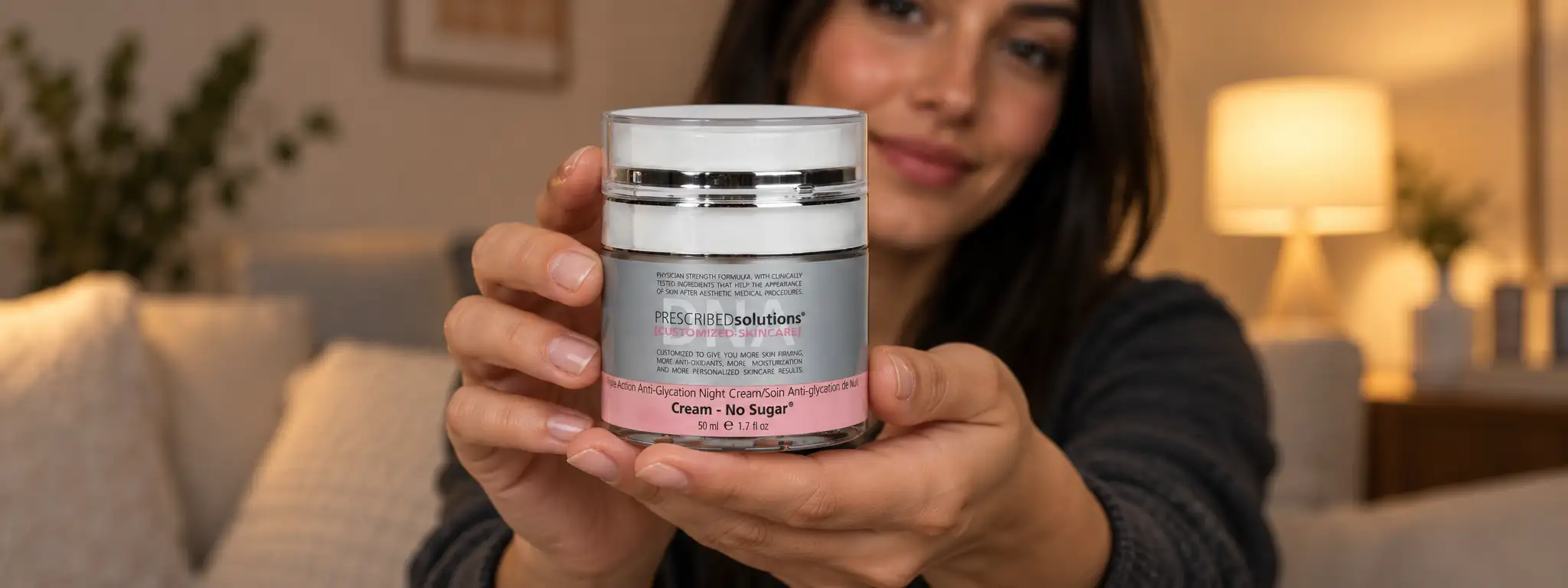
DNA Cream No Sugar Night Cream 50ml
DNA Cream No Sugar Night Cream 50ml
According to Prescribed Solutions, DNA Cream No Sugar Night Cream moisturises deeply, provides antioxidant protection against free radicals and takes an anti-glycation approach to the sallow, yellowed look. It is described as suited to mature skin and is applied to the face, neck and décolleté after cleansing. Its ingredient list includes carnosine, which the brand names as a key ingredient, alongside shea butter, jojoba oil, sodium hyaluronate and soluble collagen.
It contains no retinol or exfoliating acid, but it does include alcohol, soybean oil, hydrolysed wheat protein and garlic extract, so check the list if you have sensitivities. The “No Sugar” in the name refers to the brand’s anti-glycation approach; we do not describe it as a sugar-free formula. Apply a small amount to clean skin and follow with sunscreen the next morning.
- Price: $171 (was $190)
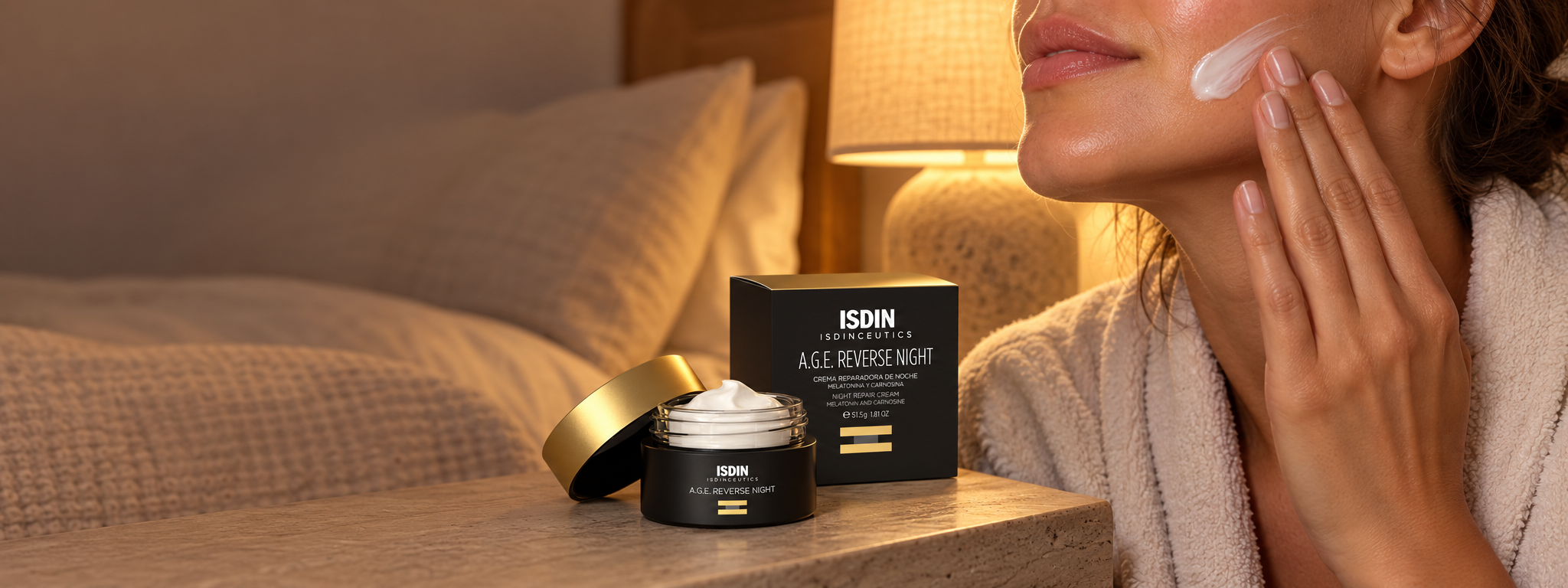
Isdinceutics A.G.E. Reverse Night Cream 50g
Isdinceutics A.G.E. Reverse Night Cream 50g
According to Isdinceutics, A.G.E. Reverse Night Cream is built around melatonin, carnosine and Helichrysum italicum. The brand says melatonin supports the skin’s antioxidant defences, carnosine addresses glycation and Helichrysum italicum is aimed at firmness and the look of facial contours, while the cream provides long-lasting moisture.
It is a 50g cream for the evening step of your routine, and at $161.50 it is the lower-priced of the two. Ask our team for the full ingredient list if you have known sensitivities, and patch test before first use. Apply a small amount to clean skin in the evening and wear sunscreen the next morning.
- Price: $161.50 (was $190)
Conclusion: Anti-Glycation Skincare
Glycation is a natural process that sources say can affect how skin looks, and a night cream can support moisture and antioxidant care but cannot reverse it. Focus first on sunscreen and everyday habits, then choose a cream that suits your skin and routine. If you would like help choosing, contact the PhiBeauty team.
FAQ
1. Does sugar cause skin to age?
Sugar is one of several factors. Sources describe high-sugar diets as able to speed up glycation, alongside sun exposure, smoking and pollution. Glycation also occurs naturally with age, so cutting sugar will not stop it, but a balanced diet is a sensible part of caring for your skin.
2. Is glycation reversible?
SkinCeuticals describes glycation as irreversible once it has occurred, and Medik8 says it cannot be fully undone. Most sources therefore focus on slowing it with sun protection, diet and antioxidants rather than reversing it.
3. At what age does glycation start?
ISDIN says it typically begins around age 20 and gradually intensifies, and SkinCeuticals describes it occurring from our 20s onward. It is a natural process, so the timing varies from person to person. Starting a good sunscreen habit early is a practical way to look after skin at any age.
4. Does anti-glycation skincare work?
The evidence for topical products is still described as new and debated. Anti-glycation products can moisturise and provide antioxidants, which suits many routines, but they should not be seen as a way to reverse glycation. Ask our team if you would like help choosing.
5. Can I use an anti-glycation night cream with retinol?
Many people use both, but introduce them carefully. Check the directions on each product, add one at a time, consider using them on different nights and wear sunscreen every morning. If your skin becomes irritated, stop and speak to your doctor or pharmacist.
Sources
- Ichihashi M, Yagi M, Nomoto K, Yonei Y. Glycation stress and photo-aging in skin. Anti-aging Medicine. 2011;8(3):23–29.
- Gkogkolou P, Böhm M. Advanced glycation end products: Key players in skin aging? Dermato-Endocrinology. 2012;4(3):259–270.
- Ghodsi R, Kheirouri S. Carnosine and advanced glycation end products: a systematic review. Amino Acids. 2018;50(9):1177–1186.