Pigmentation issues such as dark spots, melasma, sun damage, and uneven skin tone are among the most common skin concerns affecting people of all ages and skin types. These changes in skin colour are often caused by excess melanin production and can develop gradually due to sun exposure, hormonal changes, ageing, inflammation, or genetic factors. While topical products and home remedies may offer limited improvement, many individuals seek more effective, long-term solutions to visibly reduce pigmentation and restore a clearer complexion.
What is Laser Pigmentation Removal? This is a question frequently asked by people who want to understand how modern aesthetic technology can help address stubborn pigmentation without invasive procedures or prolonged downtime. Laser pigmentation removal is a non-invasive treatment that uses targeted laser energy to break down excess melanin beneath the skin’s surface, allowing the body to naturally eliminate pigmented cells over time. When performed correctly and with proper skin assessment, this approach can improve skin tone while preserving surrounding healthy tissue.
In this comprehensive guide, you will learn what laser pigmentation removal involves, how the treatment works, and which types of pigmentation it can effectively treat. We will also explain who may be a suitable candidate, what the treatment process looks like before, during, and after each session, and what results you can realistically expect. By comparing laser treatment with other pigmentation solutions, this article is designed to help you make an informed, confident decision based on your skin’s unique needs rather than marketing claims.
What is Laser Pigmentation Removal?
Laser pigmentation removal is a non-invasive cosmetic treatment that uses targeted light energy to break down excess melanin responsible for visible pigmentation in the skin. By emitting specific wavelengths absorbed by dark pigment, the laser fragments pigmented cells without damaging surrounding tissue. These particles gradually darken and shed naturally within one to two weeks, revealing a clearer and more even skin tone. This treatment is commonly used to address sun spots, freckles, age spots, and general hyperpigmentation, often requiring multiple sessions depending on the depth and type of pigmentation.
Technologies such as IPL, Q-switched, and fractional lasers may be used based on individual skin assessment. While discomfort is usually minimal and described as a mild stinging sensation, temporary darkening of treated areas is a normal part of the healing process. Laser pigmentation removal is generally most suitable for lighter skin tones and is best performed during periods of lower sun exposure to minimise the risk of post-treatment pigmentation.
How Laser Technology Targets Pigmentation
Lasers work by emitting specific wavelengths of light that are absorbed by the dark pigment in the skin. This energy penetrates the upper layers and fragments the pigment into smaller particles, which the body naturally eliminates over time. Different types of lasers, including Q-switched, fractional, and intense pulsed light (IPL), are selected based on the type of pigmentation, skin tone, and treatment goals. Because the surrounding tissue remains largely unaffected, recovery is generally quick, and results appear gradually over a series of sessions.
What Makes Laser Treatment Different from Other Methods
Unlike topical creams or chemical peels, laser treatment works from within the skin to directly target pigment. It is more precise, faster, and often more effective for stubborn pigmentation that has not responded to other methods. While creams can fade pigmentation over months, and peels may require frequent repetition, lasers can achieve noticeable improvement in fewer sessions. Additionally, laser treatment can be customised for different skin types and pigmentation issues, offering a more personalised approach to restoring an even skin tone.
Comparison of Laser Pigmentation Removal vs Other Treatments
| Feature / Criterion | Laser Pigmentation Removal | Topical Creams | Chemical Peels | Microneedling |
|---|---|---|---|---|
| Mechanism | Directly targets pigment cells with focused light energy | Works superficially to lighten pigmentation | Removes upper skin layers to promote regeneration | Induces controlled micro-injuries to stimulate collagen and pigment reduction |
| Precision | Highly precise, targets only pigmented areas | Low precision, may affect surrounding skin unevenly | Moderate precision | Moderate precision |
| Treatment Duration | Noticeable results in fewer sessions (2–6 sessions) | Slow, may take months of daily application | Multiple sessions over several weeks | Several sessions required, gradual results |
| Recovery / Downtime | Minimal downtime, quick recovery | No downtime | Possible redness and peeling for a few days | Mild redness, temporary irritation |
| Effectiveness for Stubborn Pigmentation | High, effective on sun spots, melasma, PIH | Low to moderate | Moderate, may not be effective on deeper pigmentation | Moderate, best for superficial pigmentation |
| Personalisation | Can be customised for skin type and pigmentation | Limited personalisation | Limited personalisation | Some customisation possible |
| Long-term Results | Often longer-lasting with proper care | Requires continuous application | Requires repeated treatments | Gradual improvement, maintenance needed |
Why Pigmentation Is a Common Skin Concern
Skin pigmentation issues are among the most common cosmetic concerns for people of all ages and skin types. Changes in skin colour, including freckles, sun spots, and age spots, can develop gradually and have a significant impact on an individual’s confidence and satisfaction with their appearance. These changes usually result from excess melanin production in certain areas of the skin, influenced by factors such as sun exposure, hormonal changes, ageing, inflammation from acne, and genetic predisposition.
While topical products and home remedies may provide limited improvement, many people seek more effective, long-term solutions to reduce pigmentation. One of the modern, non-invasive approaches gaining popularity is laser pigmentation removal. This technology directly targets the skin’s pigment, gradually helping to achieve a clearer and more even skin tone without damaging the surrounding tissue or disrupting the skin’s natural processes.
What Is Pigmentation and Why Does It Occur
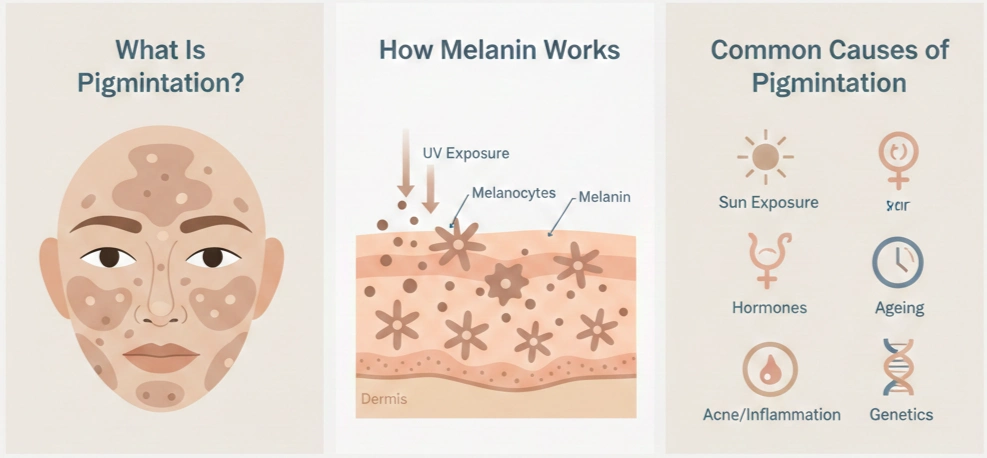
Pigmentation refers to the colouring of the skin caused by the presence of melanin, the natural pigment that determines skin tone. While everyone has some degree of pigmentation, it can become uneven or excessive in certain areas, leading to visible spots, freckles, or patches. These changes are often influenced by internal and external factors such as sun exposure, hormonal shifts, ageing, inflammation, and genetics. Understanding what pigmentation is and why it occurs is the first step in recognising why some people develop more noticeable skin discolouration and how targeted treatments, such as laser therapy, can help restore a more even and radiant complexion.
How Melanin Works in the Skin
Melanin is the natural pigment responsible for the colour of our skin, hair, and eyes. It plays a critical role in protecting the skin from harmful ultraviolet (UV) rays by absorbing and dissipating them. Melanocytes, the specialised cells in the skin, produce melanin in response to UV exposure and other internal signals. Normally, this process is balanced, giving the skin an even tone. However, when melanin production becomes overactive or uneven in certain areas, it can lead to visible pigmentation such as freckles, sun spots, or age-related discoloration. Understanding how melanin functions helps explain why some areas of the skin are more prone to pigmentation than others.
Common Causes of Skin Pigmentation
Several factors can trigger or worsen pigmentation:
- Sun exposure: Ultraviolet radiation stimulates melanocytes, often resulting in sun spots or freckles.
- Hormonal changes: Pregnancy, contraceptives, and other hormonal fluctuations can increase melanin production, leading to melasma.
- Ageing: As we age, the skin’s ability to regulate pigment diminishes, causing age spots and uneven tone.
- Acne and inflammation: Post-inflammatory hyperpigmentation (PIH) can occur after acne lesions or skin injuries.
- Genetics: Some individuals are naturally predisposed to developing pigmentation due to their genetic background.
By recognising these underlying causes, readers can better understand why pigmentation occurs and why targeted treatments, such as laser pigmentation removal, may be necessary to correct these issues. While understanding the causes of pigmentation is essential, addressing uneven skin tone often requires advanced, targeted solutions. Laser skin rejuvenation works by delivering controlled energy into the skin to break down excess melanin while stimulating natural collagen production. This approach not only helps reduce visible pigmentation such as sun spots and age spots, but also improves overall skin texture and brightness, making it an effective option for those seeking long-term pigmentation correction and skin revitalisation
Common Skin Pigmentation Issues, Causes, and Prevention
| Pigmentation Issue / Type | Main Causes | Prevention / Care |
|---|---|---|
| Sun Spots | Sun exposure and UV radiation | Daily use of SPF sunscreen, wearing hats and protective clothing, avoiding peak sun hours |
| Melasma | Hormonal changes (pregnancy, contraceptives) | Consult a dermatologist before hormonal changes, protect skin from sun, use mild brightening products under professional guidance |
| Age Spots | Ageing and reduced skin regulation of melanin | Long-term sun protection, regular use of antioxidants and skin care creams |
| Post-Inflammatory Hyperpigmentation (PIH) | Acne, scars, skin injuries | Avoid picking or manipulating skin lesions, treat acne and inflammation promptly, use sunscreen to prevent darkening |
| Genetic Predisposition | Individual genetic background | Preventive skin care, sun protection, regular check-ups with a dermatologist for early management |
Types of Pigmentation That Can Be Treated with Laser
Skin pigmentation can appear in many forms, from sun and age spots to melasma, post-inflammatory hyperpigmentation (PIH), and freckles. Understanding which types of pigmentation respond well to laser treatment helps readers see whether this procedure is suitable for their individual skin concerns. Laser therapy targets excess melanin precisely, offering a customised approach for each type of pigmentation, while helping to restore a more even and radiant skin tone over time.
Sun Spots & Age Spots
Sun spots and age spots, also known as solar lentigines, are caused by prolonged sun exposure and the natural ageing process. Laser treatment can effectively break down the accumulated melanin in these spots, gradually lightening them and creating a more even skin tone. Results are usually noticeable after a few sessions, and ongoing sun protection is essential to prevent recurrence.
Melasma
Melasma is a pigmentation condition often triggered by hormonal changes, such as pregnancy or contraceptive use. Laser therapy can help target the deeper pigment deposits, but treatment must be carefully tailored to the individual’s skin type. Combining laser sessions with sun protection and topical care enhances results and minimises the risk of worsening pigmentation.
Melasma
Medically Reviewed.
Last updated on 07/27/2020.
Melasma is a skin condition characterized by brown or blue-gray patches or freckle-like spots. It’s often called the “mask of pregnancy.” Melasma happens because of overproduction of the cells that make the color of your skin. It is common, harmless and some treatments may help. Melasma usually fades after a few months.Quoted from the site cleveland clinic in the article: Melasma
Post-Inflammatory Hyperpigmentation (PIH)
PIH occurs after skin inflammation, such as acne, eczema, or injuries. Laser pigmentation removal can accelerate the fading process by breaking down excess pigment left by inflammation. Gentle laser settings are recommended to avoid irritation and ensure gradual, even improvement.
Freckles and Uneven Skin Tone
Freckles and general uneven skin tone can also respond well to laser treatments. While freckles are typically superficial, lasers can help lighten clusters and create a smoother appearance. Multiple sessions may be needed for optimal results, and consistent sun protection is crucial to maintain improvements.
How Does Laser Pigmentation Removal Work? (Step-by-Step)
Understanding the step-by-step process of laser pigmentation removal can help reduce anxiety and set realistic expectations for patients. This section explains what happens before, during, and after the treatment, so you know exactly what to expect at each stage.
Before the Treatment
Before starting laser therapy, a dermatologist or trained technician assesses your skin and identifies the type and severity of pigmentation. A patch test is often conducted to ensure your skin responds safely to the laser. Pre-treatment precautions include avoiding direct sun exposure, refraining from using certain skin products like retinoids, and ensuring the skin is clean and free of makeup. This preparation helps minimise side effects and maximise treatment effectiveness.
During the Laser Session
During the session, the laser emits targeted light pulses that are absorbed by the pigment in the skin. Most patients experience a mild stinging or warming sensation, which is generally tolerable. The procedure is typically quick, lasting 15–30 minutes depending on the area treated. Protective eyewear is worn throughout, and the operator continuously monitors skin response to ensure safety.
After the Treatment
Immediately after treatment, pigmented areas may darken slightly and form tiny flakes over the next 1–2 weeks. It is essential to follow post-treatment care, including applying soothing creams, avoiding sun exposure, and using high-SPF sunscreen. Most patients can resume daily activities immediately, but gradual improvement is seen over multiple sessions. Adhering to aftercare guidance ensures optimal results and minimises the risk of complications.
Is Laser Pigmentation Removal Safe?
Laser pigmentation removal is generally considered a safe procedure when performed by a trained professional. Understanding who is suitable for treatment, who should avoid it, and what potential side effects exist is crucial for ensuring safety and optimal results.
Who Is a Good Candidate?
Ideal candidates are usually individuals with lighter skin types (Fitzpatrick I–III) and visible pigmentation such as sun spots, age spots, freckles, melasma, or post-inflammatory hyperpigmentation. The severity of pigmentation, overall skin health, and lifestyle factors, including sun exposure habits, are also considered. A proper assessment by a dermatologist ensures the treatment plan is tailored to the individual’s skin type and goals.
Who Should Avoid Laser Pigmentation Treatment?
Laser treatment may not be suitable for everyone. People with darker skin tones (Fitzpatrick IV–VI) need extra caution to prevent unwanted pigment changes. Pregnant or breastfeeding women, those taking photosensitive medications, or individuals with active skin infections should delay treatment. Certain skin conditions may also require alternative approaches.
Possible Side Effects and Risks
Common side effects include temporary redness, swelling, or mild discomfort at the treated area. In rare cases, blistering, hyperpigmentation, or hypopigmentation may occur. Following pre- and post-treatment care instructions significantly reduces risks and helps achieve the desired results safely. Being informed and choosing an experienced provider are key factors in ensuring a positive treatment experience.
How Many Sessions Are Needed for Pigmentation Removal
How Many Sessions Are Needed for Pigmentation Removal?
The number of laser sessions required to remove pigmentation varies depending on several factors. Understanding these factors helps set realistic expectations and ensures patients are prepared for the treatment plan.
Factors That Affect Treatment Results
Several elements influence how quickly pigmentation responds to laser treatment. These include the type of pigmentation (sun spots, melasma, PIH, freckles), the depth of pigment in the skin, and the individual’s skin type. Age, lifestyle, and previous sun exposure can also impact results. A tailored approach from a qualified professional ensures optimal settings for each session and helps maximise results.
When Can You Expect Visible Results?
Visible improvements are usually gradual and can be observed after 1–3 sessions for superficial pigmentation such as freckles or sun spots. Deeper pigmentation, like melasma or post-inflammatory hyperpigmentation, may require more sessions, often 4–6 or more. Results depend on adherence to post-treatment care, including sun protection and skincare routines. Patience is important, as over-promising immediate results can lead to disappointment.
Does Laser Pigmentation Removal Hurt?
One of the most common concerns patients have is whether laser treatment for pigmentation is painful. Understanding what to expect and how discomfort is managed can help reduce anxiety and make the experience more comfortable.
- Pain Level Explained Honestly: Most patients report a mild stinging or warming sensation during the laser session. The level of discomfort varies depending on the treated area, the type of laser used, and the individual’s pain tolerance. For many, the sensation is brief and tolerable, similar to a rubber band snapping against the skin.
- Pain Management Options: To minimise discomfort, many clinics use cooling devices or topical numbing creams before treatment. Short breaks during the session can also be taken if needed. Clear communication with your clinician ensures the settings are adjusted to your comfort level, helping to make the procedure as pleasant as possible.
How Long Do the Results Last?
Laser pigmentation removal can deliver significant and long-lasting improvements in skin tone, but the duration of results depends on several factors. The type of pigmentation, depth of the pigment, post-treatment skincare, and sun exposure all play crucial roles. Understanding these elements helps set realistic expectations and plan for long-term maintenance.
Can Pigmentation Come Back?
While laser treatment significantly reduces existing pigmentation, new spots or recurrence can occur over time, especially if underlying factors such as repeated sun exposure, hormonal changes, or skin inflammation continue. Superficial pigmentation, such as sun spots and freckles, usually responds well after 1–3 sessions and can remain lighter and more even for several years. In contrast, deeper pigmentation, like melasma or post-inflammatory hyperpigmentation, may require occasional top-up sessions (4–6 sessions or more) to maintain a consistent and long-lasting skin tone.
How to Maintain Results Long-Term
Consistent sun protection is essential to preserve the benefits of laser treatment. Daily use of broad-spectrum sunscreen, wearing hats and protective clothing, and limiting prolonged sun exposure are critical steps. Skincare routines that support overall skin health, including moisturisers and antioxidants, also help maintain results and prevent new pigmentation from forming. Periodic follow-up sessions with a dermatologist or trained clinician can further ensure that pigmentation stays under control and the skin tone remains even.
By following these guidelines, patients can expect their skin to stay brighter, clearer, and more even, while any new or recurring pigmentation can be effectively managed with touch-up treatments
Choosing the Right Clinic for Laser Pigmentation Removal
Choosing the right clinic is one of the most important factors in achieving safe and effective results from laser pigmentation removal. Because every skin type and pigmentation concern is different, the quality of assessment, experience of the practitioner, and treatment approach can significantly influence outcomes.
Why Experience and Skin Assessment Matter
Laser pigmentation removal is not a one-size-fits-all procedure. An experienced clinic will begin with a thorough skin assessment to identify the type, depth, and cause of pigmentation, as well as your Fitzpatrick skin type. This evaluation helps determine whether laser treatment is suitable and which technology and settings should be used.
Clinics with trained and experienced practitioners are better equipped to minimise risks such as post-inflammatory hyperpigmentation or uneven results. They also understand when laser treatment should be combined with other approaches or postponed to protect the skin. Experience matters not only for achieving visible improvement, but also for ensuring treatments are performed safely and responsibly.
Questions You Should Ask Before Starting Treatment
Before committing to laser pigmentation removal, it is important to ask the right questions. These may include:
- What type of pigmentation do I have, and is laser the best option for it?
- How many sessions are likely to be required for my skin concern?
- What type of laser technology will be used, and why is it suitable for my skin type?
- What results can I realistically expect, and over what time frame?
- What aftercare is required to maintain results and reduce risks?
A reputable clinic will answer these questions clearly and honestly, without making unrealistic promises. Taking the time to choose the right clinic ensures a safer experience, more predictable results, and greater confidence throughout your treatment journey.
Final Thoughts: Is Laser Pigmentation Removal Right for You?
Laser pigmentation removal is an effective, non-invasive solution for reducing unwanted pigmentation and restoring a clearer, more even skin tone. However, results depend on several factors, including the type of pigmentation, your skin tone, lifestyle habits, and consistency with aftercare. At PhiBeauty, every treatment begins with a personalised consultation to ensure laser therapy is safe, suitable, and aligned with your skin goals. If you are looking for visible, long-term improvement rather than temporary coverage, laser pigmentation removal may be the right choice for you.
FAQ
1. Is laser pigmentation removal safe?
Yes, laser pigmentation removal is considered a safe and clinically proven treatment when performed by trained professionals using appropriate technology. The laser targets excess melanin without damaging the surrounding skin. A thorough skin assessment prior to treatment is essential to minimise risks and ensure suitability.
2. How many laser sessions are needed to remove pigmentation?
The number of sessions varies depending on the type, depth, and severity of pigmentation. Most people require between 2 and 6 sessions, spaced several weeks apart, to achieve optimal results. Deeper or long-standing pigmentation may need additional treatments.
3. Does laser pigmentation removal hurt?
The treatment is generally well tolerated. Most patients describe the sensation as a mild stinging or snapping feeling, similar to a rubber band against the skin. Cooling systems and topical numbing creams are often used to enhance comfort during the procedure.
4. How long does it take to see results?
Pigmented spots typically darken immediately after treatment and then gradually flake off within 7–14 days. Visible improvement in skin tone can usually be seen after the first session, with progressive results over subsequent treatments.
5. Can pigmentation come back after laser treatment?
Yes, pigmentation can return if the underlying triggers such as sun exposure or hormonal changes are not properly managed. Consistent sun protection, appropriate skincare, and maintenance treatments can significantly reduce the risk of recurrence.
6. Is laser pigmentation removal suitable for all skin types?
Laser pigmentation removal is most suitable for lighter skin tones (Fitzpatrick types I–III). Darker skin types may still be treated, but this requires specialised laser settings and expert assessment to reduce the risk of post-inflammatory hyperpigmentation.
7. What should I avoid after laser pigmentation treatment?
After treatment, it is important to avoid direct sun exposure, heat, saunas, and active skincare ingredients such as retinoids and exfoliating acids for several days. Daily use of a broad-spectrum SPF is essential to protect the skin and maintain results.
8. When is the best time of year to have laser pigmentation removal?
Autumn and winter are considered the best times for laser pigmentation treatments, as reduced sun exposure lowers the risk of complications and helps protect the healing skin.
9. Is laser pigmentation removal permanent?
Laser treatment effectively removes existing pigmentation, but it does not stop the skin from producing melanin in the future. Long-term results depend on sun protection, lifestyle factors, and ongoing skin care.